


What's Happening?
Estonia has issued a stern warning that it will use lethal force if Russian soldiers, referred to as 'little green men', cross into its territory. This statement was made by Foreign Minister Margus Tsahkna following an incident in October where unidentified
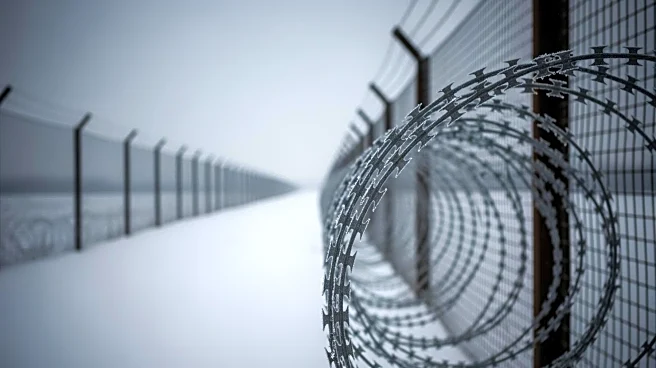
Russian soldiers were spotted near the Estonian border. Although the episode was not considered a major incident at the time, it led to the closure of a border crossing point as a precaution. The situation has escalated with Estonia considering closing its border with Russia after three Russian border guards crossed onto Estonian territory. Interior Minister Igor Taro highlighted the absurdity of the situation, noting the longstanding existence of the control line between Estonia and Russia.
Why It's Important?
The threat of lethal force by Estonia underscores the heightened tensions between Russia and its neighboring countries, particularly in the Baltic region. Estonia's stance reflects broader concerns about Russian influence and aggression in Eastern Europe, which has been a focal point of NATO's security architecture. The potential closure of the border with Russia could have significant implications for regional security and diplomatic relations. Estonia's firm response is a signal to Russia and other Eastern European countries about its commitment to defending its sovereignty and territorial integrity. This development could further strain relations between Russia and NATO member states, impacting geopolitical stability in the region.
What's Next?
Estonia's consideration of closing its border with Russia could lead to increased diplomatic tensions and potential retaliatory measures from Russia. The situation may prompt further discussions within NATO regarding security measures and support for Eastern European countries facing similar threats. Estonia's actions could also influence other Baltic states to adopt more stringent border security policies. Monitoring of the border will likely intensify, and Estonia may seek additional support from NATO allies to bolster its defenses. The international community will be watching closely to see how Russia responds to Estonia's warning and whether further incidents occur.
Beyond the Headlines
The incident highlights the ongoing challenges faced by Eastern European countries in dealing with Russian military activities and the broader implications for European security. Estonia's response is part of a larger narrative of resistance against Russian influence in the region. The situation raises questions about the effectiveness of current security measures and the need for enhanced cooperation among NATO members. It also underscores the importance of clear communication and diplomatic efforts to prevent escalation and maintain peace in the region. The cultural and historical context of Estonia's relationship with Russia adds complexity to the situation, influencing public sentiment and policy decisions.