




What's Happening?
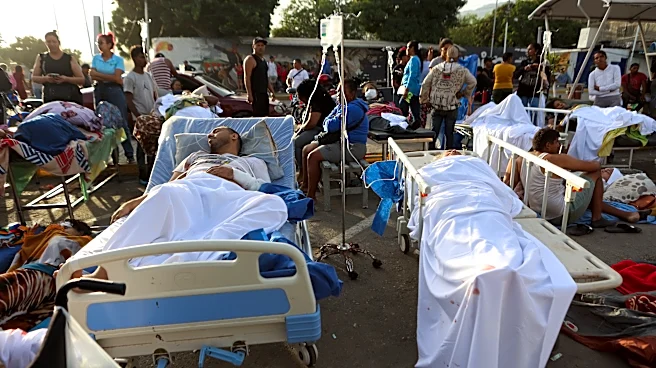
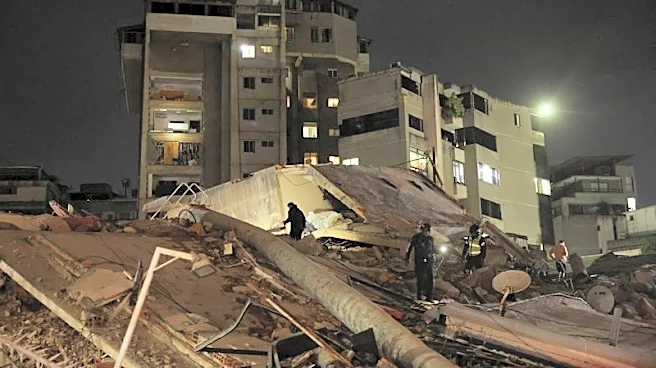
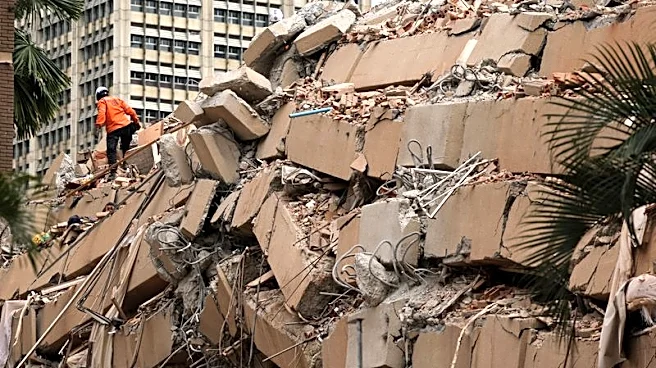
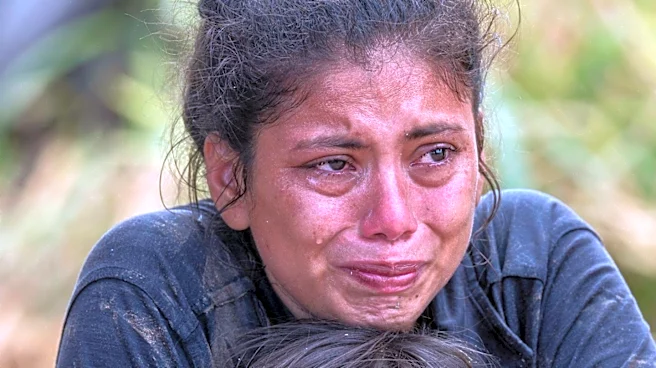
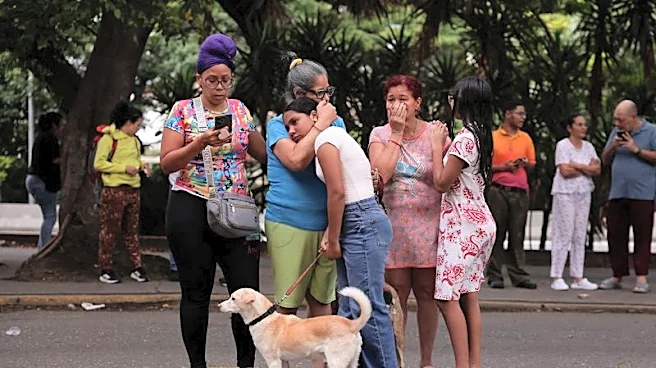
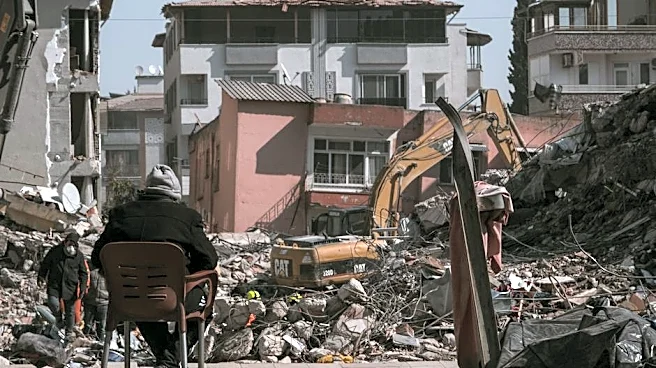
Venezuela has been struck by two powerful earthquakes, measuring 7.2 and 7.5 in magnitude, causing widespread devastation. The quakes, which occurred west of Caracas, are the strongest to hit the country in over a century. The tremors were felt as far
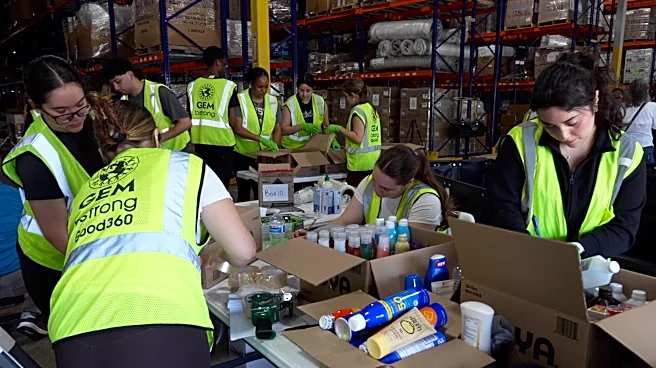
as Colombia and Brazil, leading to tsunami alerts. The hardest-hit area is La Guaira, where a state of emergency has been declared. At least 188 people have died, and approximately 1,500 are injured. The U.S. has responded by deploying search and rescue teams, medical resources, and humanitarian aid. Secretary of State Marco Rubio emphasized the focus on humanitarian assistance, despite the broader political context between the U.S. and Venezuela.
Why It's Important?
The earthquakes in Venezuela have significant humanitarian implications, prompting international aid and cooperation. The U.S. involvement highlights the importance of global solidarity in disaster response, transcending political tensions. The deployment of U.S. resources underscores the country's capacity and willingness to assist in international crises. This event also raises awareness of the vulnerability of regions prone to natural disasters and the need for robust emergency preparedness and response systems. The tragedy may influence future U.S.-Venezuela relations, focusing on humanitarian collaboration over political differences.
What's Next?
The immediate focus is on rescue operations and providing aid to the affected areas. The U.S. and other countries like Qatar and El Salvador are expected to continue their support. The situation may lead to increased international cooperation in disaster management and recovery efforts. In the long term, Venezuela will need to rebuild and strengthen its infrastructure to withstand future natural disasters. The international community may play a role in supporting these efforts, potentially leading to improved diplomatic relations.