


What's Happening?
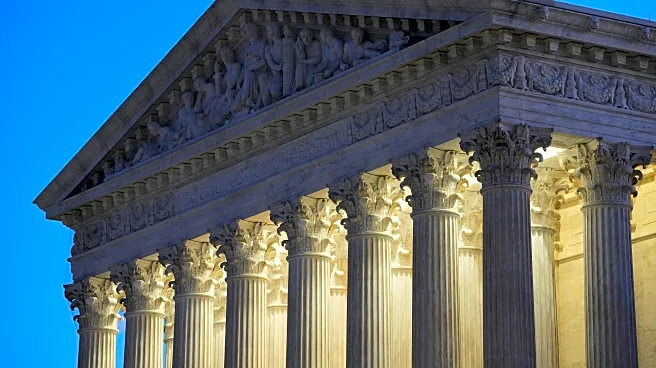
The U.S. Supreme Court is set to hear debates on the legality of an order issued by President Trump that challenges the recognition of citizenship for babies born in the United States if neither parent is a citizen or lawful permanent resident. This legal challenge has
significant implications for the interpretation of the 14th Amendment, which grants citizenship to all persons born or naturalized in the United States. The case has garnered national attention as it could redefine the parameters of birthright citizenship, a cornerstone of U.S. immigration policy. The court's decision will address whether the executive order aligns with constitutional provisions or if it oversteps legal boundaries.
Why It's Important?
The outcome of this Supreme Court case could have profound implications for U.S. immigration policy and the rights of individuals born in the country. A ruling in favor of the order could lead to a significant shift in how citizenship is granted, potentially affecting thousands of individuals born in the U.S. to non-citizen parents. This decision could also set a precedent for future executive actions regarding immigration and citizenship, influencing legislative and policy decisions. Stakeholders, including immigrant advocacy groups and legal experts, are closely monitoring the case, as it could impact the lives of many and alter the legal landscape of citizenship rights in the United States.
What's Next?
Following the Supreme Court's hearing, a decision is expected that will clarify the legal standing of the executive order. Depending on the ruling, there could be legislative responses or further legal challenges. If the court upholds the order, it may prompt Congress to consider new legislation to address the implications for birthright citizenship. Conversely, if the order is struck down, it could reinforce the current interpretation of the 14th Amendment. The decision will likely provoke reactions from political leaders, advocacy groups, and the public, potentially influencing future immigration policy debates.