







What's Happening?
U.S. Congresswoman Andrea Salinas, alongside Congressman Glenn Thompson, has introduced the bipartisan Mass Timber Growth and Innovation Act. This legislation aims to lower housing construction costs, bolster American manufacturing, and generate employment
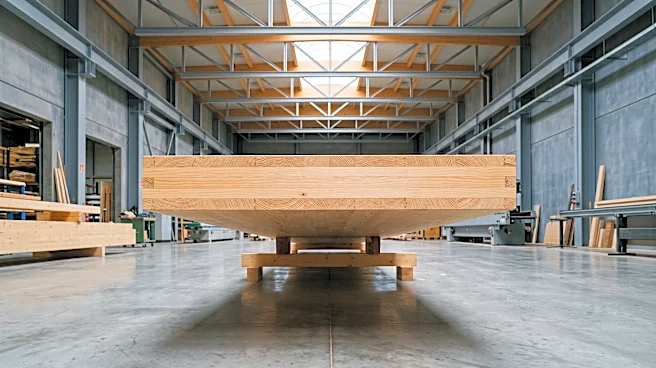
opportunities in rural areas. The bill proposes tax incentives to expand the domestic production of mass timber, an innovative wood building material designed to facilitate faster and more affordable home construction. Congresswoman Salinas emphasized the urgent need for nearly 500,000 new homes in Oregon over the next two decades to meet demand, noting that current construction rates are insufficient, leading to increased prices. She highlighted mass timber's potential to accelerate building processes and reduce costs. During the bill's rollout, Ms. Salinas visited Timberlab in Portland to observe their mass timber production facility and discuss the specifics of the legislation. The bill is endorsed by several organizations, including the American Wood Council, Chamber of Progress, Oregon Forest Industries Council, Washington Mass Timber Accelerator, and Weyerhaeuser.
Why It's Important?
This legislation is significant for the U.S. housing market and construction industry, which are currently grappling with high costs and supply shortages. By promoting mass timber production through tax incentives, the bill seeks to introduce a more efficient and economical building method. This could directly impact housing affordability for American families, a critical issue across many states. The focus on domestic manufacturing of mass timber also aims to strengthen the U.S. wood products industry, creating jobs and fostering economic growth in rural communities that have historically relied on timber. Reduced construction timelines and costs associated with mass timber could make mid-rise housing projects more viable, addressing a specific segment of the housing demand. Furthermore, the bill's support for research and development in mass timber technology could lead to further innovations, enhancing the material's efficiency and cost-effectiveness in the long term.
What's Next?
The Mass Timber Growth and Innovation Act will proceed through the legislative process in Congress, requiring bipartisan support to become law. If passed, manufacturers would be incentivized to invest in new mass timber production facilities, including machinery, equipment, and buildings, through a 10% tax credit. Additionally, a 20% credit would be provided for research expenditures aimed at reducing costs and improving production methods. The bill's proponents, including Congresswoman Salinas and various industry groups, will likely advocate for its passage by highlighting its potential benefits for housing affordability, job creation, and economic development. The success of this legislation could lead to increased adoption of mass timber in construction projects nationwide, potentially transforming building practices and supply chains in the U.S. The endorsements from key industry players suggest a concerted effort to push this bill forward.
Beyond the Headlines
Beyond its immediate economic and housing implications, the Mass Timber Growth and Innovation Act touches upon broader themes of sustainable construction and regional economic revitalization. Mass timber, as a renewable resource, offers an environmentally friendlier alternative to traditional construction materials, aligning with growing demands for sustainable practices. Its expanded use could reduce the carbon footprint of the construction sector. Moreover, by supporting domestic manufacturing and job creation in rural areas, the bill addresses economic disparities and aims to provide stable, family-wage employment in regions often impacted by shifts in traditional industries. The emphasis on innovation through research credits also signals a commitment to advancing building technologies, potentially positioning the U.S. as a leader in modern timber construction. This legislative effort could set a precedent for how policy can drive both economic development and environmental stewardship in the construction industry.