







What's Happening?
A powerful earthquake struck Japan's Kyushu Island on July 28, 2026, leading to the evacuation of over 150,000 people. The earthquake caused power outages, damaged roads, and destroyed infrastructure, including part of a castle wall and a footbridge.
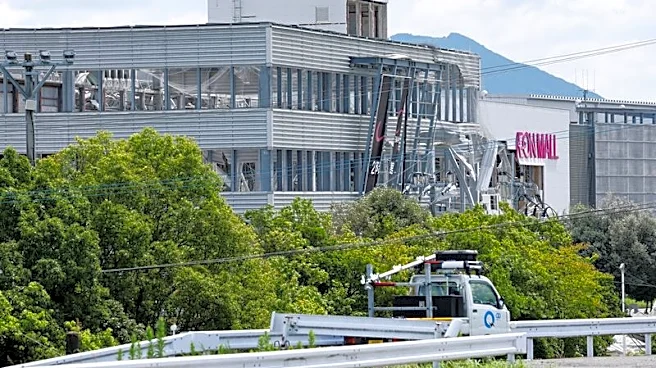
Several people are missing following the collapse of a chimney at a paper factory in Kumamoto Prefecture. The earthquake has disrupted daily life and emergency services are actively responding to the situation.
Why It's Important?
The earthquake underscores the seismic vulnerability of Japan, a nation frequently affected by such natural disasters due to its location on the Pacific 'Ring of Fire.' The immediate impact includes significant disruptions to infrastructure and public services, highlighting the challenges in emergency response and recovery efforts. The event raises concerns about the preparedness of public and private sectors in handling such disasters and emphasizes the need for robust disaster management strategies. The potential for aftershocks and further damage remains a concern for residents and authorities.
What's Next?
Emergency services are focused on rescue and recovery operations, with efforts to locate missing individuals and provide aid to affected communities. Authorities are assessing the full extent of the damage and coordinating with local governments to ensure the delivery of necessary resources and support. The potential for aftershocks remains a concern, prompting continued vigilance and preparedness among residents and emergency services. The government is expected to review and enhance disaster response strategies to better handle future seismic events.