

What's Happening?
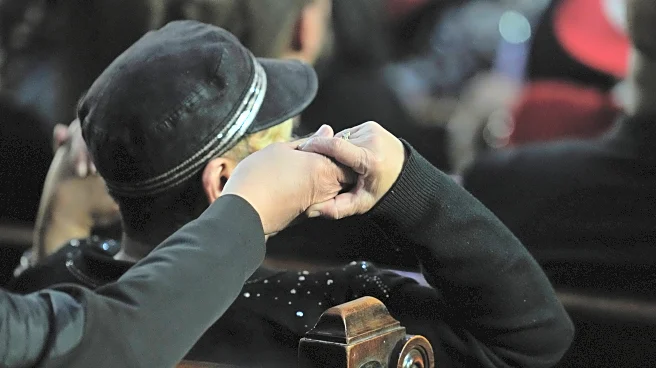
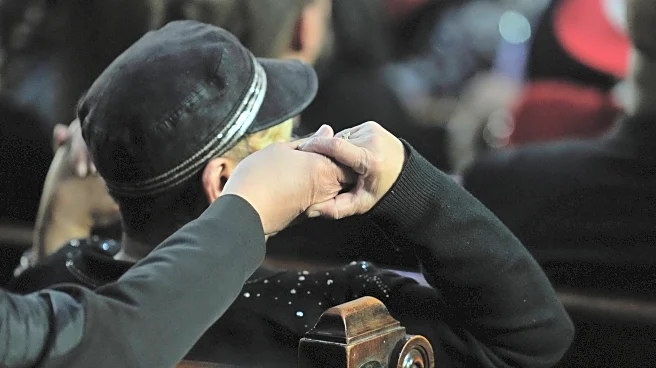
Thousands gathered in Selma, Alabama, to commemorate the 61st anniversary of Bloody Sunday, a pivotal event in the Civil Rights Movement where state troopers attacked marchers advocating for voting rights. The anniversary comes at a time when the U.S.
Supreme Court is considering a case that could impact the Voting Rights Act, specifically a provision that ensures minority voters can elect their preferred candidates. The event included speeches from Democratic leaders and civil rights activists who expressed concerns about potential rollbacks in voting rights and criticized the Trump administration's policies. The commemoration also paid tribute to the late Rev. Jesse Jackson, a prominent civil rights leader.
Why It's Important?
The potential Supreme Court decision could significantly alter the political landscape by affecting how congressional districts are drawn, potentially diminishing minority representation. This has broader implications for U.S. politics, as it could enable Republican-controlled states to redraw districts in ways that might reduce the influence of Black and Latino voters, who typically support Democratic candidates. The event in Selma serves as a reminder of the ongoing struggle for voting rights and the importance of protecting the gains made since the Civil Rights Movement. It highlights the need for vigilance in safeguarding democratic processes and ensuring equitable representation.
What's Next?
The Supreme Court's impending decision on the Louisiana case could set a precedent for how race is considered in redistricting, potentially leading to significant changes in electoral maps across the country. This could prompt legal challenges and political mobilization from civil rights groups and Democratic leaders aiming to protect minority voting rights. The outcome may also influence strategies for the upcoming midterm elections and the 2028 presidential race, as parties adjust to new district boundaries and voter demographics.
Beyond the Headlines
The commemoration in Selma underscores the enduring legacy of the Civil Rights Movement and the moral responsibility to continue advocating for justice and equality. It also highlights the cultural and historical significance of events like Bloody Sunday in shaping national consciousness and policy. The potential rollback of voting rights protections raises ethical questions about the balance between state control and federal oversight in ensuring fair electoral processes.