


What's Happening?
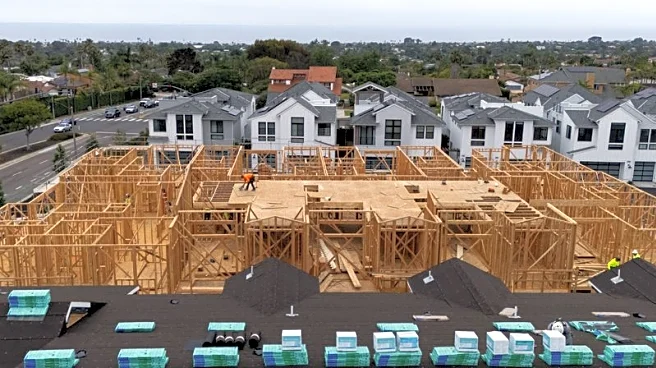
The American backyard is shrinking as homeowners choose to expand their homes rather than move, influenced by high mortgage rates. With rates having been below 3% in the early 2020s, many homeowners are reluctant to take on new loans at higher rates,
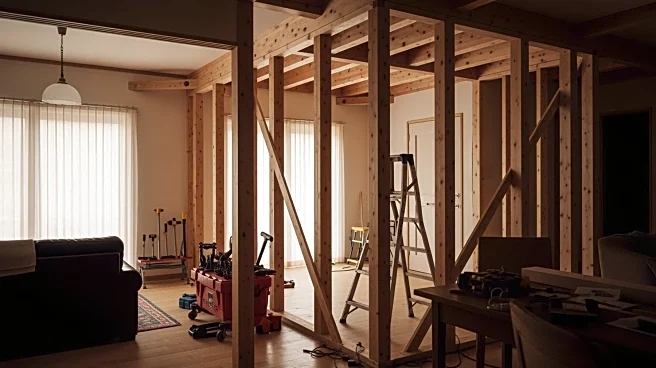
leading them to invest in home additions instead. This trend is evident in the work of Nicole Goolsby Morrison, a Raleigh-based home remodeler, who notes an increase in projects that extend homes into yards. The trend is further supported by Angie Hicks of Angi, who reports a rise in homeowners expanding their homes, particularly among millennials. The shift is also driven by rising home values, allowing owners to tap into equity for renovations. Harvard's Joint Center for Housing Studies highlights a significant increase in remodeling spending, projecting a record $524 billion in the first quarter of 2026.
Why It's Important?
This trend reflects broader economic and cultural shifts in the U.S. housing market. High mortgage rates and elevated home prices have made moving less attractive, prompting homeowners to invest in their current properties. This has implications for the construction and home improvement industries, which are seeing increased demand for remodeling services. Additionally, the cultural shift towards valuing indoor activities over outdoor space is influencing housing preferences. The trend also highlights the financial strategies of homeowners leveraging home equity to finance expansions, which could impact the housing market's dynamics and the economy at large.
What's Next?
As homeowners continue to prioritize home expansions, the construction and remodeling sectors are likely to see sustained growth. This could lead to increased demand for building materials and labor, potentially driving up costs. Additionally, local governments may need to adapt zoning laws to accommodate the trend of expanding homes into smaller lots. The trend may also influence future housing designs, with a focus on maximizing indoor space. As interest rates remain high, the preference for home expansions over moving is expected to persist, shaping the housing market's landscape in the coming years.
Beyond the Headlines
The trend of shrinking backyards and expanding homes raises questions about urban planning and community dynamics. As more homeowners opt for larger indoor spaces, the traditional suburban model of spacious yards may evolve, impacting neighborhood aesthetics and social interactions. This shift could also affect environmental considerations, as reduced green space may influence local ecosystems and urban heat patterns. Additionally, the financial implications of tapping into home equity for expansions could affect long-term financial stability for some homeowners, particularly if housing market conditions change.