




What's Happening?
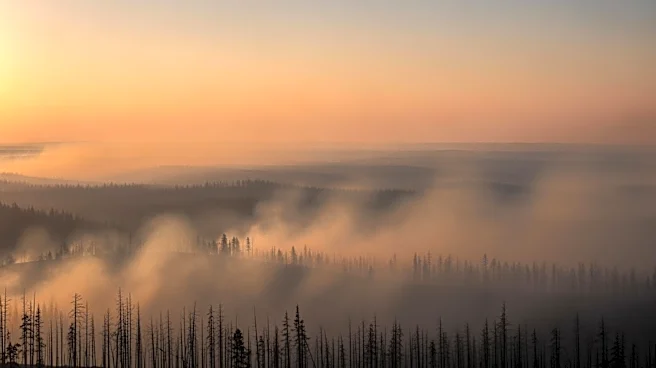
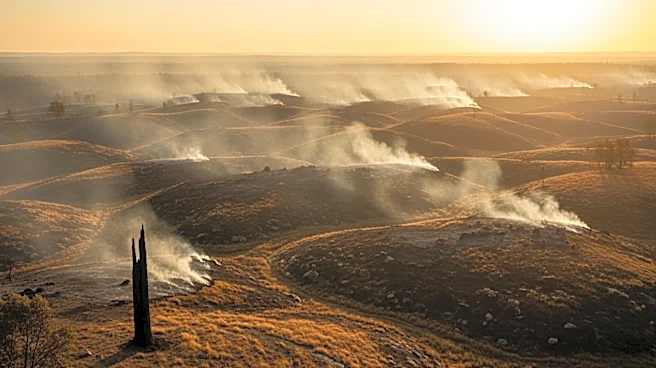
Residents of a neighborhood in Silverthorne, Colorado, participated in a wildfire preparedness drill amidst concerns over lower-than-usual snowpack levels in the state's high country. The community training session aimed to educate residents on effective
evacuation strategies and preparation techniques in anticipation of potential wildfires. Despite a light snowfall on Sunday, the region remains vulnerable due to insufficient snowpack, which typically acts as a natural barrier against wildfires. The drill is part of a broader effort to enhance community resilience and readiness in the face of increasing wildfire threats.
Why It's Important?
The initiative underscores the growing need for proactive measures in wildfire-prone areas, particularly as climate change contributes to more frequent and severe fire seasons. By engaging in such drills, communities can better protect lives and property, reducing the potential impact of wildfires. This preparedness is crucial for local economies and public safety, as wildfires can lead to significant economic losses and pose health risks due to smoke and air quality issues. The training also highlights the importance of community involvement and education in disaster preparedness, fostering a culture of resilience and self-reliance.
What's Next?
As the wildfire season approaches, similar training sessions and drills are expected to be conducted across other vulnerable regions in Colorado. Local authorities and community leaders may collaborate to develop more comprehensive emergency response plans and improve communication systems. Additionally, there may be increased advocacy for policy changes and funding to support wildfire prevention and mitigation efforts. Residents are likely to be encouraged to create personal emergency plans and stay informed about local fire conditions and alerts.