




What's Happening?
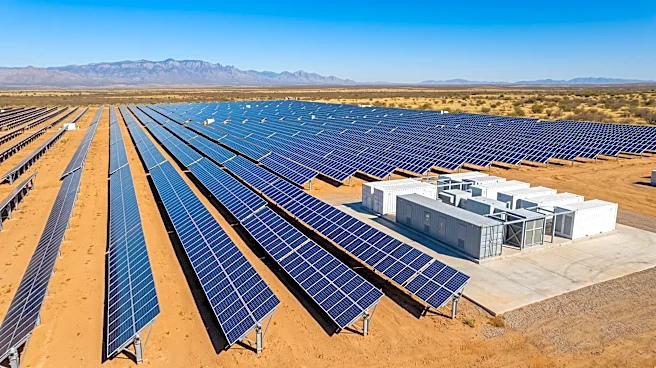
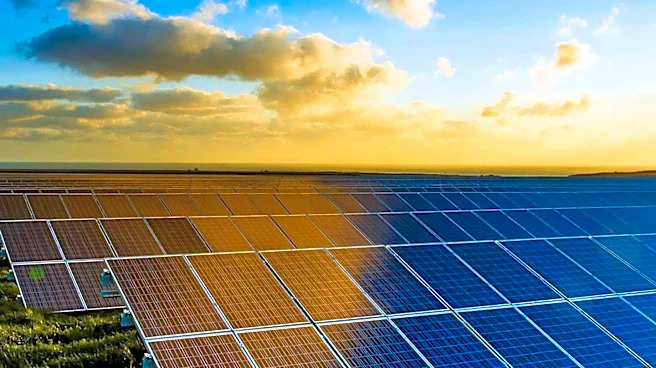
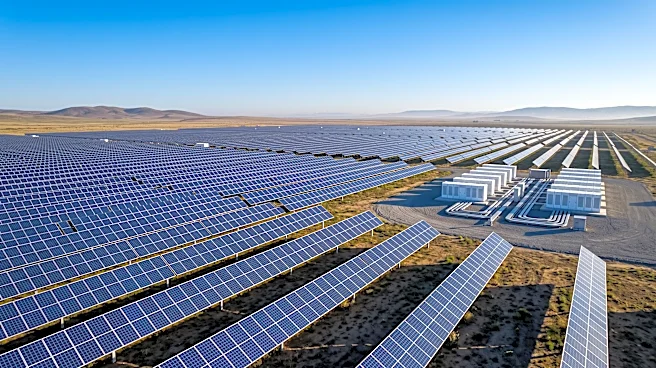
Boulder-based renewable energy developer Scout Clean Energy has submitted proposals for two large-scale utility solar projects in Nevada, east of Reno. These projects, Juniper Peak and Amber Flats Solar Farm, are each designed for 1,000 megawatts (MW)
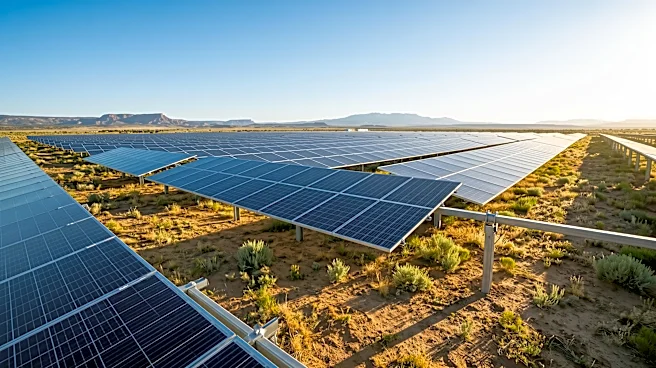
of solar capacity with accompanying battery storage, totaling 2,000 MW. The Juniper Peak project is planned for nearly 17,700 acres across Washoe, Churchill, and Lyon counties, while the Amber Flats Solar Farm will span 17,100 acres in similar areas. If approved, these projects would surpass the 690 MW Gemini Project in Clark County, becoming the largest utility-scale solar producers in Nevada. Scout Clean Energy aims for these plants to be operational by 2030.
Why It's Important?
These proposed solar projects are significant for Nevada's energy landscape and the broader U.S. renewable energy sector. Their massive scale would substantially increase the state's clean energy generation capacity, contributing to national goals for renewable energy adoption and carbon emission reduction. The projects promise economic benefits, including job creation and revenue for Nevada, without directly impacting ratepayers as Scout Clean Energy is not a public utility in the state. However, conservation non-profits like Basin and Range Watch have raised concerns about potential environmental impacts, such as effects on native species like the Greater sage grouse, excessive water consumption, and the creation of a heat island effect, highlighting the ongoing tension between large-scale renewable development and environmental preservation.
What's Next?
The proposals will undergo review by the Public Utilities Commission of Nevada and other relevant regulatory bodies. Public and environmental groups, such as Basin and Range Watch, are expected to continue voicing their concerns regarding the projects' environmental impact. Scout Clean Energy will need to address these concerns and navigate the permitting process, which could involve environmental impact assessments and community consultations. The target operational date of 2030 suggests a multi-year development and construction phase if the projects receive approval. The outcome of these proposals could influence future large-scale renewable energy developments in Nevada and other Western states, setting precedents for balancing energy needs with environmental protection.
Beyond the Headlines
The debate surrounding these projects extends beyond immediate energy production and economic benefits, touching upon critical issues of land use, environmental conservation, and the long-term ecological impact of large-scale renewable energy infrastructure. The criticism from conservation groups highlights the complex challenges of transitioning to a green economy, where even environmentally friendly energy sources can have significant local ecological footprints. This situation underscores the need for comprehensive planning that integrates renewable energy development with robust environmental protection strategies, potentially leading to innovations in siting, design, and mitigation measures for future projects. It also brings to the forefront the ongoing discussion about how to balance the urgent need for climate action with the preservation of biodiversity and natural landscapes.