






What's Happening?
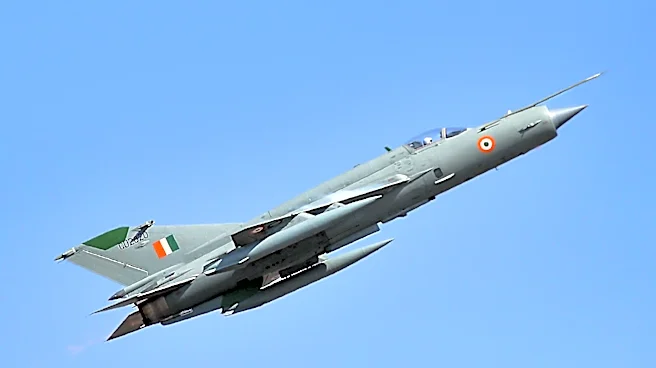
India has successfully tested a long-range surface-to-air interceptor missile, marking a significant step in developing a domestic air defense system. The test, conducted from A.P.J. Abdul Kalam Island, demonstrated the missile's capability to intercept high-speed
aerial targets. This development is part of India's efforts to reduce reliance on foreign defense systems, such as Russia's S-400 Triumf. The new system, named Kusha, aims to fill the gap in India's air defense capabilities, offering ranges between 150 to 400 kilometers.
Why It's Important?
The successful test of the Kusha missile represents a major milestone in India's defense modernization efforts. By developing indigenous air defense systems, India aims to enhance its strategic autonomy and reduce dependency on foreign military technology. This advancement is crucial for India's national security, given its long borders with Pakistan and China. The development of the Kusha system also reflects India's broader push for self-reliance in defense production, aligning with its 'Make in India' initiative.
What's Next?
India plans to conduct further tests to validate the Kusha system's capabilities before it becomes operational. The country will continue to rely on foreign systems like the S-400 in the interim. However, the successful deployment of the Kusha system could significantly enhance India's air defense architecture, providing a robust response to aerial threats. The development also opens opportunities for India to export its defense technology, potentially boosting its defense industry.