




What's Happening?
Republican Representative Andy Ogles from Tennessee faced significant backlash after a homophobic post was published on his official X account. The post, which stated 'homosexuality has no place in America' and wished followers 'Happy Nuclear Family Month,'
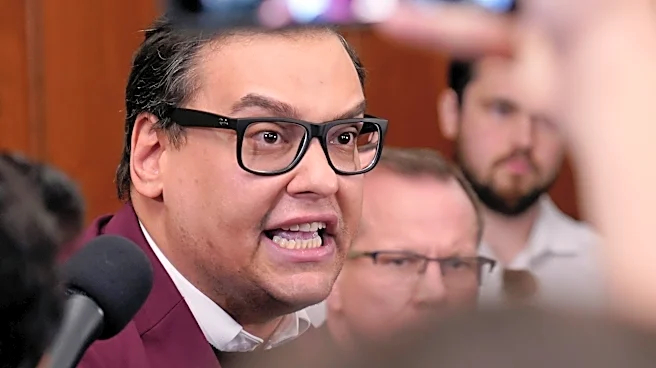
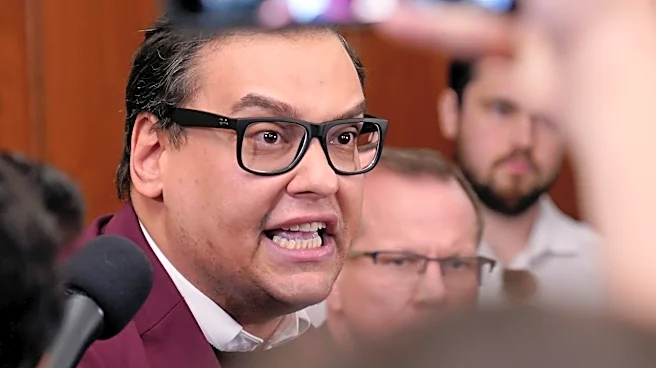
was quickly deleted. Ogles attributed the post to a member of his communications team, describing it as 'stupid, hurtful, and a complete distraction' from his focus on America First policies. The incident drew criticism from both Democrats and Republicans, including former Representative George Santos, who felt personally targeted by the comment. Ogles, known for his conservative stance on social issues, has previously made controversial remarks, including statements against Muslims in American society.
Why It's Important?
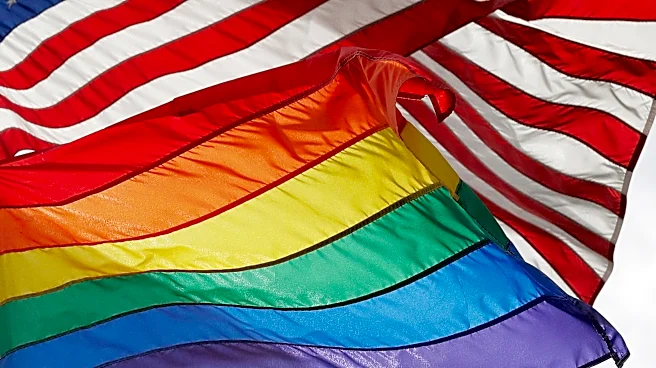
The incident highlights ongoing tensions within the Republican Party regarding LGBTQ+ issues. Ogles' post, coinciding with Pride Month, underscores the divide between traditional conservative values and the push for inclusivity by LGBTQ+ conservatives. The backlash from within his party, including comments from figures like Senator Ted Cruz and Representative Mike Lawler, indicates a growing discomfort with exclusionary rhetoric. This situation reflects broader societal debates about the place of LGBTQ+ individuals in American society and the Republican Party's stance on these issues. The controversy also raises questions about the role of social media in political discourse and the responsibilities of public figures in managing their communications.
What's Next?
Ogles' apology and the reprimand of the staff member responsible for the post may not fully resolve the issue, as the incident has already sparked significant public and political discourse. The Republican Party may face increased pressure to clarify its position on LGBTQ+ rights, especially as public opinion continues to evolve. Additionally, Ogles' future actions and statements will likely be closely scrutinized by both supporters and critics. The incident may also influence upcoming legislative discussions and political campaigns, particularly those involving social and cultural issues.