
What's Happening?
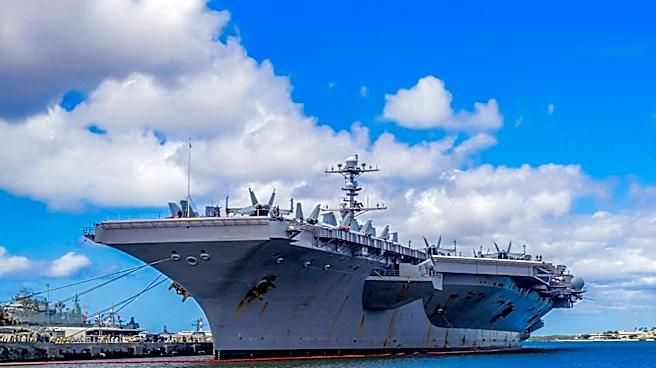
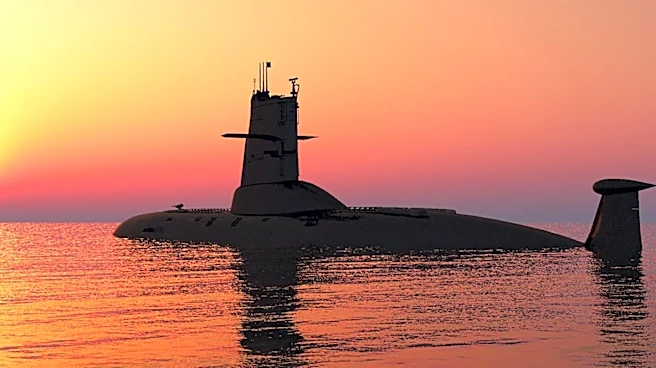
Nuclear propulsion has been a staple in naval submarines for over 70 years, yet it remains rare in surface warships. The U.S. Navy operates nuclear-powered aircraft carriers, but most surface combatants
rely on conventional machinery. The high costs and logistical demands of nuclear reactors, including specialized crews and shipyards, limit their use. While nuclear power offers endurance and speed, it requires a national nuclear infrastructure, making it impractical for widespread adoption in surface fleets. The U.S. Navy's past experiments with nuclear cruisers were discontinued due to cost inefficiencies.
Why It's Important?
The limited use of nuclear power in surface warships highlights the challenges of balancing technological advancements with economic and logistical constraints. While nuclear propulsion offers strategic advantages, the high costs and infrastructure requirements make it a less viable option for most navies. This decision impacts the U.S. Navy's operational capabilities and strategic planning, as it must rely on conventional power for most of its surface fleet. The debate over nuclear power in naval vessels reflects broader considerations of military spending and technological innovation.