


What's Happening?
South Sudan's healthcare system is facing immense strain due to a massive influx of over a million Sudanese refugees and significant cuts to foreign aid programs, including those initiated by the President Trump administration. Hospitals like the one
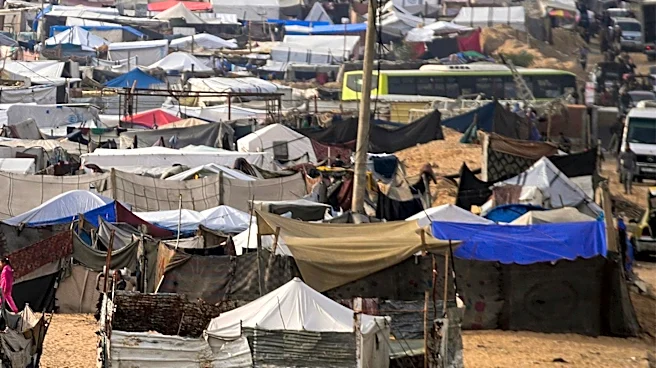
in Renk, near the Sudan border, are struggling to cope with the overwhelming number of patients, including local cases and up to 3,000 refugees arriving weekly. The hospital's pharmacy is critically low on essential medications, such as malaria tablets, with no means to replenish supplies, as it is entirely funded by international partners. Doctors are forced to make difficult decisions, such as prioritizing which wards receive generator power, leading to areas like the intensive care unit operating without electricity. The dire situation has tragic consequences, as evidenced by the death of an 11-month-old girl, Kalia, from malnutrition.
Why It's Important?
The crisis in South Sudan's healthcare system represents a severe humanitarian emergency, directly impacting the lives of millions. The combination of a refugee crisis and reduced foreign aid creates a perfect storm, leading to preventable deaths and widespread suffering. The lack of essential medicines, power, and medical supplies means that basic healthcare services are severely compromised, making it impossible to treat common illnesses and malnutrition effectively. This situation not only affects the immediate health of the population but also has long-term implications for public health, economic stability, and social development in an already fragile nation. The withdrawal of international support exacerbates existing vulnerabilities and undermines efforts to build a stable and healthy society.
What's Next?
The continued strain on South Sudan's healthcare system suggests that without renewed international support and increased foreign aid, the humanitarian crisis will deepen. Hospitals will continue to face critical shortages, leading to more preventable deaths and a further collapse of medical services. Organizations like Relief International, which had reduced their presence, are crucial for the functioning of these facilities. Urgent action is needed from the international community to restore funding, provide medical supplies, and support the healthcare infrastructure to prevent a complete breakdown. The ongoing conflict in Sudan to the north means the refugee influx is unlikely to abate soon, necessitating a sustained and robust humanitarian response.
Beyond the Headlines
This situation highlights the profound and often immediate human cost of geopolitical decisions, particularly cuts to foreign aid. It underscores the interconnectedness of global crises, where conflict in one nation (Sudan) directly impacts the humanitarian situation in a neighboring, already vulnerable country (South Sudan). The ethical implications of reducing aid to regions facing extreme hardship are stark, as it directly translates to lives lost and increased suffering. The story also brings to light the immense dedication of healthcare workers who continue to operate under unimaginable conditions, making impossible choices daily. It serves as a powerful reminder of the critical role of international cooperation and humanitarian assistance in mitigating the impact of global conflicts and supporting fragile states.