






What's Happening?
New York City is experiencing unprecedented rent increases, with the median one-bedroom apartment price reaching an all-time high of $4,680 in May. This surge is attributed to a tight supply and low vacancy rates. In contrast, Jersey City, located just
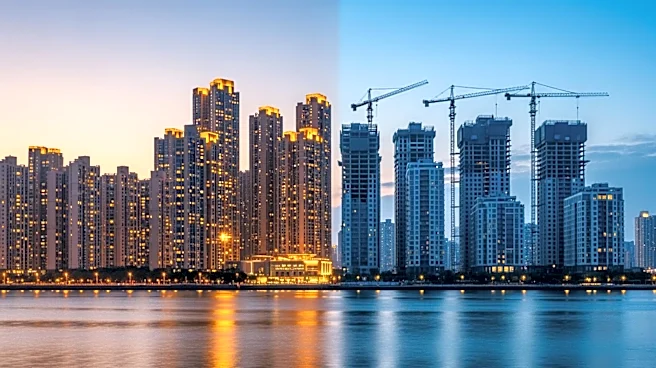
across the Hudson River, is witnessing a significant decrease in rent prices due to a recent construction boom. The influx of new apartments in Jersey City has led to a rental correction, with prices dropping from their 2024 peak. The median one-bedroom rent in Jersey City is now $2,860, down 2.1% year-over-year. This situation highlights a fractured housing market where supply-starved cities like New York see rising rents, while areas with increased construction, like Jersey City, offer more affordable options.
Why It's Important?
The contrasting rental trends between New York City and Jersey City underscore the impact of housing supply on rental prices. In NYC, limited new construction and low vacancy rates have given landlords significant pricing power, exacerbating affordability issues for renters. Conversely, Jersey City's construction boom has temporarily shifted the market in favor of renters, providing a rare opportunity for more affordable housing in the region. This dynamic illustrates the broader challenges facing urban housing markets, where supply constraints can lead to skyrocketing rents, while increased development can offer temporary relief. The situation in Jersey City may serve as a model for other cities grappling with high rental costs.
What's Next?
As Jersey City's rental market stabilizes, it remains to be seen whether the current affordability will persist or if prices will rise again as the market absorbs the new inventory. In New York City, the continued high demand and limited supply suggest that rental prices may remain elevated, potentially prompting further discussions on housing policy and development strategies. Stakeholders, including city planners and developers, may need to consider long-term solutions to address the housing supply-demand imbalance and ensure affordable housing options for residents.