






What's Happening?
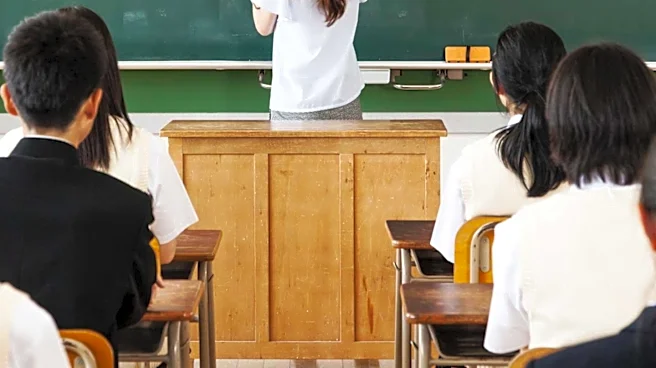
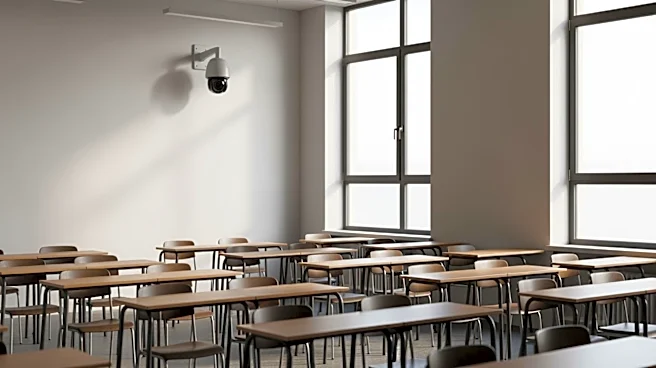
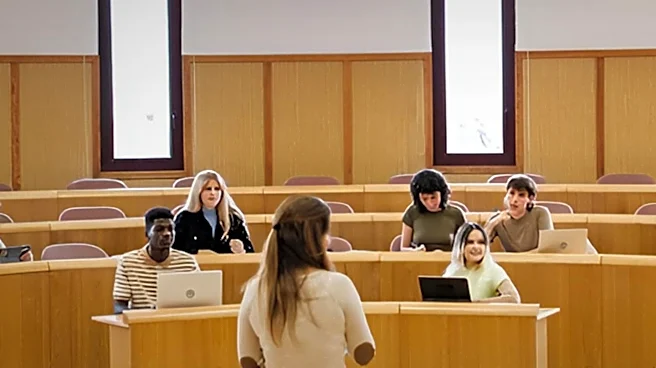
Educators are increasingly concerned about the impact of surveillance in classrooms, where lectures and discussions are often recorded and shared online. This shift has altered the traditional collaborative atmosphere, creating a sense of constant monitoring.
Teachers and students now navigate multiple audiences, both in-person and online, which can strip discussions of context and lead to misinterpretations. The presence of cameras and recording devices has led to a heightened awareness of being watched, affecting how educators teach and how students engage. This environment has sparked debates about privacy, the role of technology in education, and the need for clearer boundaries around what should be recorded.
Why It's Important?
The growing presence of surveillance in educational settings has significant implications for privacy and the quality of education. It challenges the traditional role of classrooms as safe spaces for open dialogue and exploration of ideas. The pressure of being recorded can stifle creativity and critical thinking, as both students and teachers may self-censor to avoid potential backlash. This environment can hinder the development of nuanced understanding and critical analysis, which are essential components of higher education. Additionally, the data collected through surveillance can be used in ways that may not align with educational goals, raising ethical concerns about data privacy and the commercialization of student and faculty information.
What's Next?
As surveillance technology becomes more prevalent, educational institutions may need to establish clearer policies regarding the recording and sharing of classroom content. This could involve setting boundaries to protect the privacy of students and educators while balancing the benefits of technology in enhancing learning. Universities might also consider investing in smaller class sizes and fostering environments where trust and open dialogue can thrive. The ongoing debate about surveillance in education is likely to continue, with stakeholders including educators, students, and policymakers weighing in on the best path forward.
Beyond the Headlines
The implications of classroom surveillance extend beyond privacy concerns, touching on broader societal issues such as the commodification of education and the role of technology in shaping learning experiences. The normalization of surveillance in educational settings reflects wider trends in society, where data collection and monitoring are increasingly common. This raises questions about the future of education and the values that underpin it, as well as the potential for technology to both enhance and undermine educational outcomes.