





What's Happening?
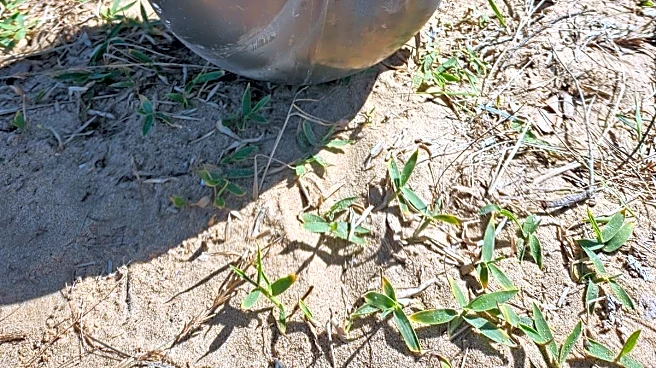
The Australian Space Agency (ASA) has confirmed that unidentified metallic spheres found on Forrest Beach in Queensland, Australia, are parts of a rocket that have re-entered Earth's atmosphere and washed ashore. These objects, referred to as 'space balls,'
are believed to be components of a rocket's fuel system, potentially containing hazardous chemicals. The ASA has advised the public not to touch or move the debris, as it could be dangerous. The spheres are suspected to have originated from recent space launches by either China or India, both of which have been active in the region. The ASA is currently investigating to determine the exact source of the debris.
Why It's Important?
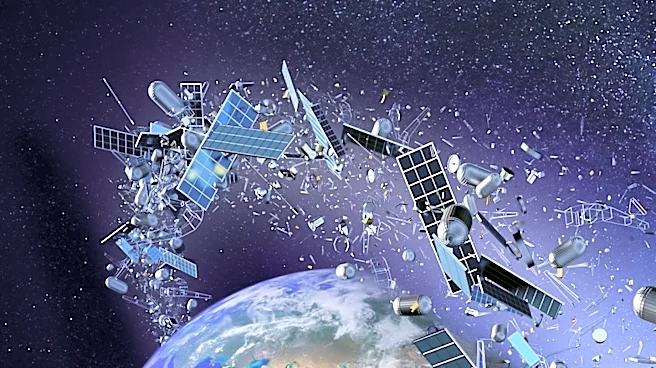
The incident highlights the growing issue of space debris as more objects are launched into orbit each year. The potential hazards posed by falling space debris are significant, as they can contain toxic materials and cause damage if they land in populated areas. This situation underscores the need for international cooperation and updated regulations to manage space debris and mitigate risks. The Liability Convention of 1972 requires countries to compensate for damage caused by their space activities, but lacks enforcement mechanisms. The event serves as a reminder of the urgent need to address space debris management to prevent future incidents.
What's Next?
The ASA is working to identify the source of the debris and is likely to engage with international space agencies to address the issue. This may involve diplomatic discussions with China and India to improve debris management practices. The incident could prompt calls for stronger international regulations and agreements to prevent similar occurrences. Additionally, there may be increased public and governmental pressure to develop technologies and strategies for tracking and safely deorbiting space debris.
Beyond the Headlines
The presence of space debris on Earth raises ethical and environmental concerns about the sustainability of space exploration. As space activities increase, the risk of debris-related accidents grows, potentially impacting satellite operations and posing threats to human safety. This situation may lead to a reevaluation of current space policies and encourage the development of more sustainable practices in the aerospace industry. The incident also highlights the need for public awareness and education on the potential dangers of space debris.