
What's Happening?
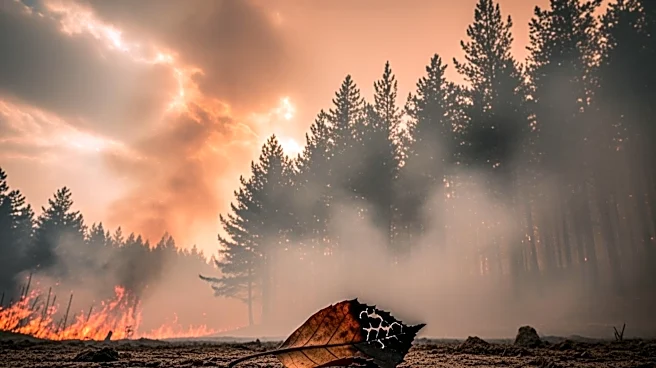
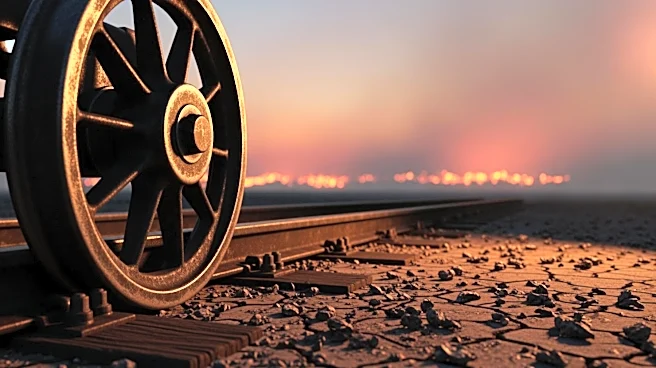
A wildfire in Florida has caused significant disruption to train services, leaving over 200 passengers stranded on an Amtrak train for nearly 24 hours. The incident occurred as the wildfire forced the train to halt,
preventing it from continuing its journey. Passengers on board faced extended delays and uncertainty as they awaited resolution. The situation highlights the impact of natural disasters on transportation infrastructure and the challenges faced by passengers during such events.
Why It's Important?
The stranding of over 200 passengers on an Amtrak train underscores the vulnerability of transportation systems to natural disasters like wildfires. This incident not only affected the passengers directly involved but also highlights broader concerns about the resilience of infrastructure in the face of increasingly frequent and severe weather events. The disruption can have cascading effects on travel plans, economic activities, and emergency response efforts. It raises questions about preparedness and the need for robust contingency plans to ensure passenger safety and minimize disruptions.
What's Next?
In the aftermath of the incident, there will likely be discussions on improving emergency response protocols and infrastructure resilience to prevent similar occurrences in the future. Amtrak and local authorities may review their current strategies and explore enhancements to communication and support systems for passengers during emergencies. Additionally, there may be increased advocacy for investment in infrastructure that can withstand natural disasters, ensuring continuity of services and safety for travelers.