




What's Happening?
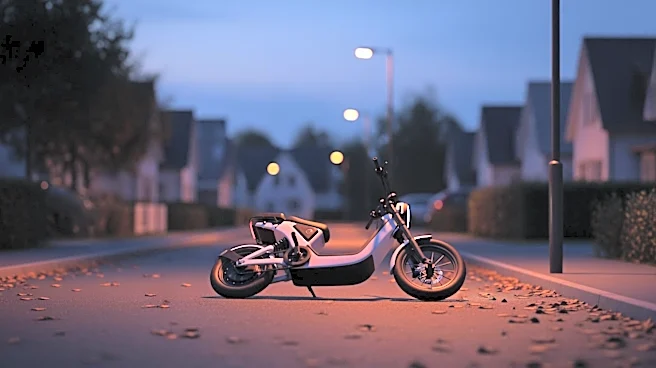
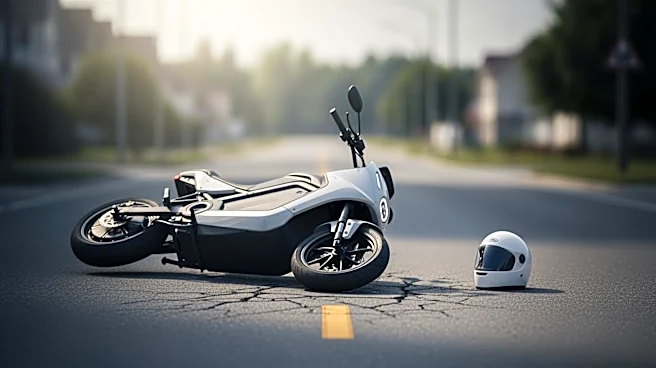
Tommi Jo Mejer, a resident of Aliso Viejo in Orange County, California, is facing charges of involuntary manslaughter following an incident where her 14-year-old son, riding a Surron e-motorcycle, struck and fatally injured Ed Ashman, an 81-year-old former
US Marine Corps captain. The accident occurred on April 16, and Ashman succumbed to his injuries on a subsequent Thursday. Mejer had previously been charged with felony child endangerment. According to the Orange County District Attorney, Todd Spitzer, Mejer allowed her son to ride the e-motorcycle despite being warned of its dangers. The e-motorcycle, classified under state law as requiring a rider to be at least 16 years old with a motorcycle license, was capable of reaching speeds up to 56 mph. Mejer is also facing charges of felony accessory after the fact and misdemeanor counts related to contributing to the delinquency of a minor and providing false information to an officer. If convicted on all counts, she could face up to seven years and eight months in prison.
Why It's Important?
This case highlights the legal responsibilities of parents in ensuring the safety and legality of their children's activities, particularly with potentially dangerous vehicles like e-motorcycles. The charges against Mejer underscore the increasing scrutiny on parental liability in cases where minors are involved in serious accidents. This development could set a precedent for similar cases, emphasizing the need for parents to adhere to legal requirements and safety warnings. The case also reflects broader societal concerns about the regulation of e-motorcycles and the enforcement of laws designed to protect public safety. The outcome of this case could influence future legal actions and parental responsibilities in similar situations, potentially leading to stricter enforcement of existing laws or the introduction of new regulations.
What's Next?
As the legal proceedings continue, the focus will be on whether Mejer's actions constitute criminal negligence. The district attorney's office has not disclosed whether the boy will face prosecution due to the case's juvenile nature. The case may prompt discussions among lawmakers and public safety officials about the adequacy of current regulations governing e-motorcycles and the responsibilities of parents. Legal experts suggest that proving parental negligence in such cases may be challenging, as the perceived threat from e-motorcycles is less direct than that from firearms. The outcome of this case could influence future legal interpretations and enforcement strategies regarding parental liability in accidents involving minors.
Beyond the Headlines
This case raises questions about the evolving nature of parental liability in the context of modern transportation technologies. As e-motorcycles and similar vehicles become more prevalent, legal systems may need to adapt to address the unique risks they pose. The case also touches on broader themes of accountability and the role of parents in preventing accidents involving minors. It may lead to increased public awareness and debate about the responsibilities of parents in supervising their children's use of potentially dangerous technologies. Additionally, the case could influence public policy discussions on how to balance technological innovation with safety and legal accountability.