





What's Happening?
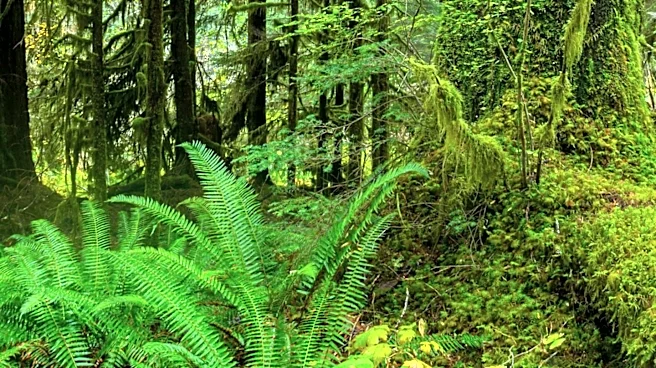
In the UNESCO-designated Puerto Galera Biosphere Reserve in the Philippines, Iraya Mangyan elders and conservationists are collaborating to document the community's deep cultural and spiritual connections to endemic bird species and the forest. This initiative,
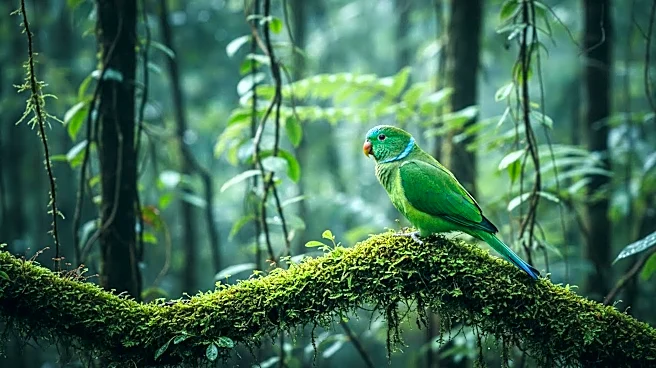
led by the Center for Conservation Innovations Philippines (CCIPH) under its Mindoro Forest and Biodiversity Conservation Programme, aims to preserve intergenerational knowledge that is at risk of being lost as elders age and fewer young people learn these traditions. The Iraya's ancestral domain, spanning approximately 40,000 hectares, is home to about 2,500 households and contains hundreds of plant and animal species, including rare, threatened, or endemic birds like the Mindoro racket-tail, Mindoro boobook, and Mindoro scops owl. These birds play significant roles in Iraya culture, guiding weather preparation, farming decisions, and spiritual practices. The documentation will contribute to the Iraya’s Ancestral Domain Sustainable Development and Protection Plan (ADSDPP) and an ecotrail being co-developed with the community, ensuring that this vital knowledge is integrated into conservation efforts and community development.
Why It's Important?
This effort is crucial for several reasons. Firstly, it highlights the intrinsic link between cultural heritage and biodiversity conservation. The Iraya's traditional knowledge offers unique insights into the behavior of endemic species and the health of the ecosystem, complementing scientific research. This collaboration demonstrates how Indigenous observations, accumulated over generations, can provide a comprehensive temporal picture of species' behavior that scientists, with their shorter study periods, often miss. Secondly, the project aims to empower the Iraya community by integrating their knowledge into formal conservation plans and potentially creating sustainable livelihoods through ecotourism, such as guided ecotrails that explain the cultural significance of the forest. This approach ensures that conservation benefits the local community directly. Thirdly, the initiative addresses the urgent threat of cultural and ecological loss. As deforestation and infrastructure development continue to impact Mindoro, the endemic bird species are declining, and with them, the traditional knowledge associated with them. Documenting these sacred ties is a proactive step to prevent the irreversible loss of both biodiversity and invaluable cultural heritage.
What's Next?
The documented information will be incorporated into the Iraya’s Ancestral Domain Sustainable Development and Protection Plan (ADSDPP), which will guide future land management and conservation efforts within their ancestral domain. An ecotrail is also being co-developed with the community, where Iraya guides will share their knowledge of wildlife and sacred places, potentially linking these experiences with local products like forest-grown coffee and handicrafts to create sustainable livelihoods. The CCIPH will continue to support Indigenous patrollers who monitor forests for threats like logging and hunting, working in conjunction with government personnel. The project emphasizes that community members retain control over what information is shared publicly, ensuring that the documentation process respects their cultural protocols and privacy. The long-term goal is to ensure the continued protection of Mindoro's endemic species and the preservation of the Iraya's rich cultural heritage.
Beyond the Headlines
This initiative delves into the profound ethical and cultural dimensions of conservation, moving beyond purely scientific approaches to embrace Indigenous knowledge systems. It underscores the idea that nature is not merely a resource but is deeply intertwined with spiritual beliefs, social practices, and identity. The project challenges conventional conservation models by recognizing Indigenous peoples as primary custodians of biodiversity, whose traditional practices often embody sustainable living. The emphasis on free, prior, and informed consent (FPIC) for knowledge sharing highlights the importance of respecting Indigenous sovereignty and intellectual property. Furthermore, the project implicitly addresses the broader issue of climate change and environmental degradation, as the Iraya's observations of declining freshwater sources and changes in bird behavior serve as direct indicators of ecological shifts. By valuing and integrating this traditional ecological knowledge, the initiative offers a model for holistic conservation that is both culturally sensitive and ecologically effective, fostering resilience in the face of environmental challenges.