
What's Happening?
A recent study published in Nature Communications has found a significant association between adherence to healthy eating patterns and slower biological aging, as measured by epigenetic clocks. These clocks analyze
changes in DNA to estimate the body's aging rate. Researchers examined the impact of 10 different healthy eating plans and concluded that the overall quality of a diet, rather than strict adherence to any single specific plan, is the key factor. No particular diet, such as the Mediterranean, DASH, or MIND diet, was found to be superior to others in promoting slower biological aging. The study emphasizes that consistency in maintaining a healthy eating pattern over time is crucial. While the findings suggest a correlation, experts like Melissa Mroz-Planells, D.C.N., R.D.N., and Keri Gans, M.S., R.D.N., C.D.N., note that more research is needed to definitively determine if dietary changes can directly slow biological aging, as epigenetic aging provides an estimate rather than an absolute measure of lifespan.
Why It's Important?
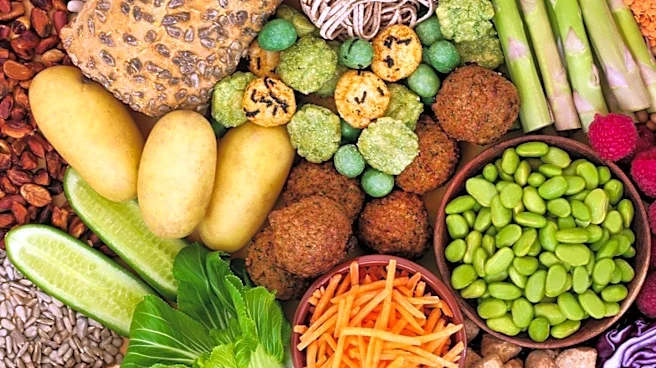
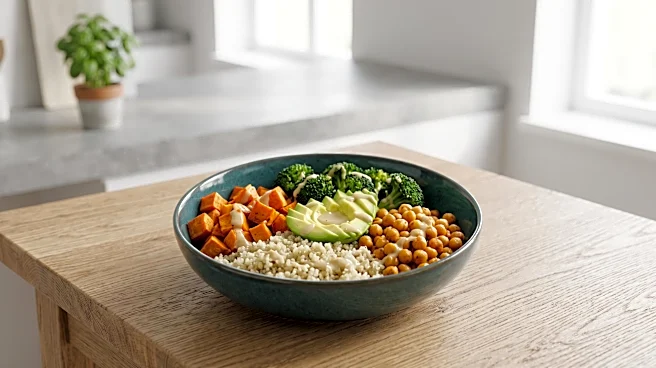
This research holds significant implications for public health and individual dietary choices in the U.S. It shifts the focus from restrictive, named diets to a more holistic approach to eating, potentially making healthy eating more accessible and sustainable for a broader population. For the food industry, this could mean a greater emphasis on promoting general healthy food categories rather than specific 'longevity diet' products. Healthcare providers and dietitians may adjust their recommendations to prioritize overall diet quality and long-term adherence, rather than prescribing rigid dietary plans. Individuals seeking to improve their health and potentially slow aging may find encouragement in the flexibility of this approach, focusing on incorporating more minimally processed plant foods, adequate protein, healthy fats, and fewer highly processed foods. This could lead to a reduction in the pressure to follow specific, often complex, diets, fostering a more intuitive and sustainable relationship with food for many Americans.
What's Next?
Future research will likely focus on establishing a causal link between dietary changes and the slowing of biological aging, moving beyond observational studies. This could involve intervention trials to assess the direct impact of sustained healthy eating patterns on epigenetic markers and other indicators of longevity. Public health campaigns and dietary guidelines in the U.S. may evolve to reflect these findings, emphasizing general principles of healthy eating and sustainability over specific diet labels. Dietitians and nutritionists are expected to continue advocating for personalized approaches that consider individual preferences, lifestyles, and cultural backgrounds to ensure long-term adherence. The food industry might also respond by developing and marketing products that align with the broader concept of 'overall diet quality,' potentially leading to a wider availability of minimally processed, nutrient-dense options.
Beyond the Headlines
The study's emphasis on 'diet quality over labels' challenges the pervasive diet culture in the U.S., which often promotes quick fixes and branded eating plans. This shift could have profound psychological and cultural implications, reducing feelings of failure associated with not adhering perfectly to a specific diet. It encourages a more mindful and less restrictive approach to eating, potentially improving mental well-being alongside physical health. Ethically, it underscores the importance of evidence-based dietary advice, moving away from potentially misleading marketing of 'superfoods' or 'miracle diets.' The long-term societal impact could be a more sustainable and inclusive approach to health and wellness, where individuals are empowered to make dietary choices that fit their lives while still promoting longevity, rather than feeling constrained by rigid rules. This could also influence food education, promoting a deeper understanding of nutrition rather than just following trends.