





What's Happening?
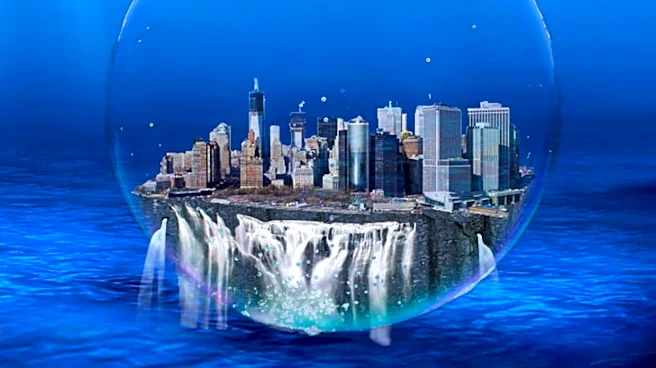
Recent reports indicate that global sea levels have risen significantly since 1880, with an increase of approximately eight to nine inches. This rise is attributed to global warming, driven by human emissions of greenhouse gases, which cause the atmosphere
to trap more heat and warm the oceans. As seawater warms, it expands, contributing to sea level rise. Additionally, melting glaciers and ice sheets further exacerbate the situation. Scientists warn that if current trends continue, sea levels could rise another six to seven inches by 2050, leading to increased flooding and pressure on coastal ecosystems.
Why It's Important?
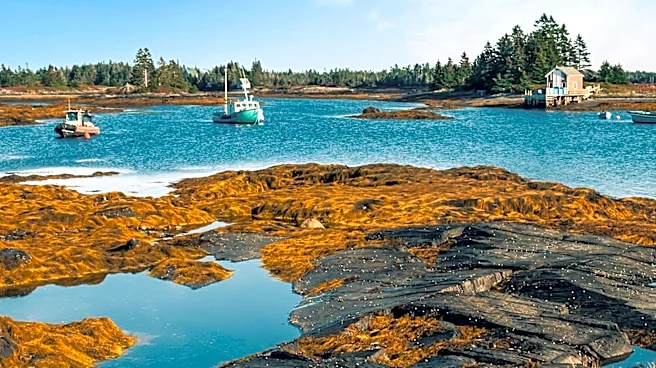
The rising sea levels pose a significant threat to coastal communities, infrastructure, and ecosystems. As sea levels continue to rise, the risk of high-tide flooding and storm surges increases, potentially leading to economic losses and displacement of populations. The situation underscores the urgent need for collective action to reduce emissions and transition to clean energy sources. By addressing the root causes of climate change, it is possible to mitigate the impacts of sea level rise and protect vulnerable communities and ecosystems.
What's Next?
Efforts to combat sea level rise will require coordinated action at local, national, and international levels. Coastal communities must invest in infrastructure and resources to adapt to changing conditions. Policymakers and environmental organizations are likely to advocate for stronger climate policies and increased funding for climate resilience projects. Public awareness and community engagement will be crucial in driving the necessary changes to reduce emissions and protect coastal areas.