






What's Happening?
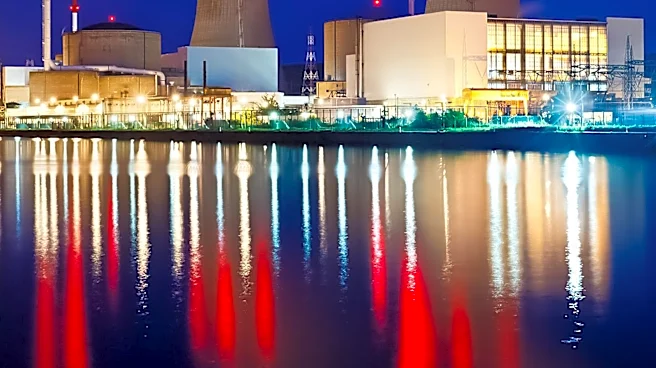
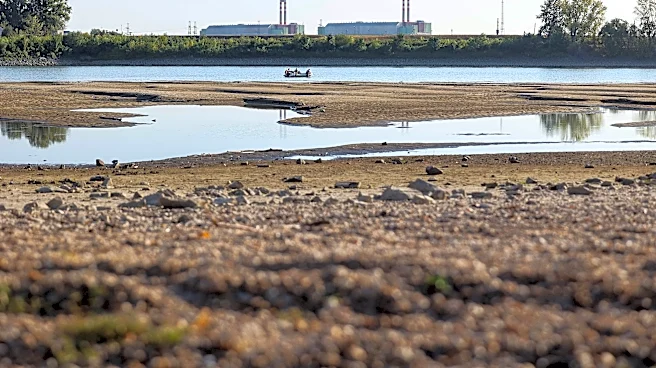
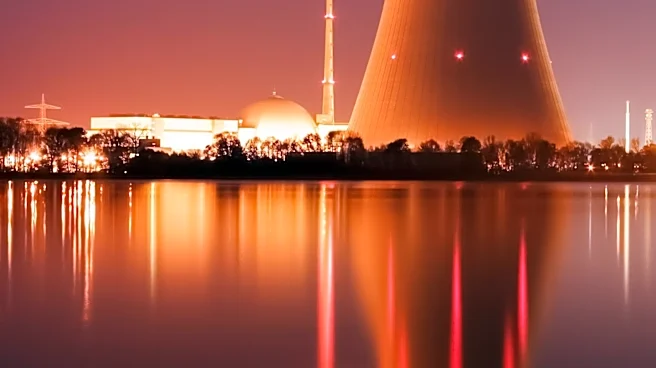
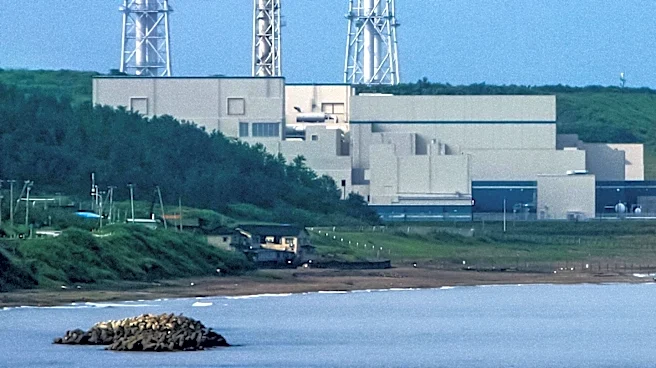
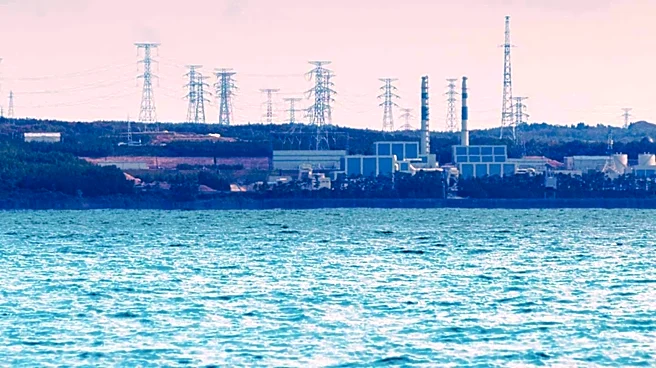
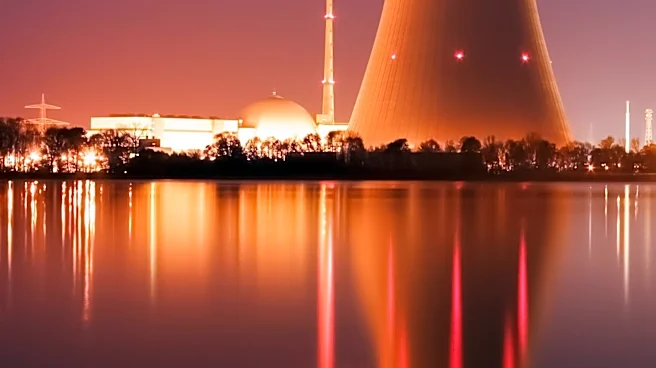
Hungary is facing a potential energy crisis as the Paks nuclear plant, a key component of the country's power system, is set to shut down due to low water levels in the Danube River. This marks the first complete shutdown of the Soviet-built facility
in 44 years. The loss of output from the plant has prompted national energy-saving measures and offers of support from neighboring countries. With temperatures expected to rise above 40 degrees Celsius in Budapest amid a heatwave and drought across Europe, the Hungarian government has urged households and businesses to reduce electricity consumption during peak hours. An emergency plan has been prepared to temporarily restrict industrial consumption and increase output from other power plants.
Why It's Important?
The shutdown of the Paks nuclear plant highlights the vulnerability of energy systems to climate-induced disruptions. As a major source of electricity for Hungary, the plant's closure could lead to significant power shortages, affecting both residential and industrial sectors. This situation underscores the need for diversified energy sources and robust infrastructure to withstand environmental challenges. The European Commission's close monitoring of the situation reflects the broader implications for regional energy security and the potential for coordinated responses to such crises.
What's Next?
Hungary's government and energy authorities will need to implement the emergency measures effectively to mitigate the impact of the plant's shutdown. The situation may prompt a reevaluation of energy policies and investments in alternative energy sources to enhance resilience against climate-related disruptions. The European Commission may convene an emergency meeting of its Electricity Coordination Group to address the crisis and explore collaborative solutions. The outcome of these efforts could influence future energy strategies and policies across Europe.