





What's Happening?
A developing El Niño is expected to become unusually powerful this winter, significantly impacting California's water supply and flood risk. The National Oceanic and Atmospheric Administration (NOAA) forecasts a 75 to 81 percent chance of a very strong
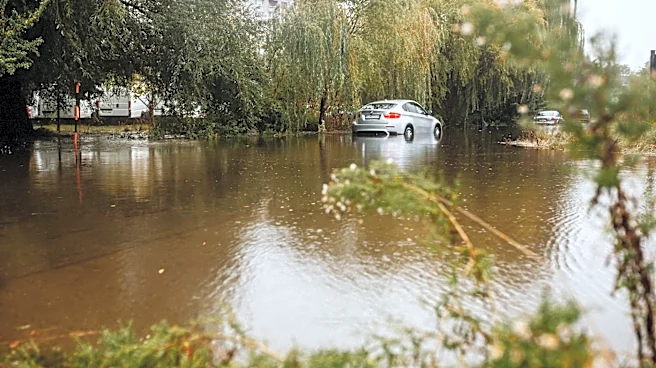
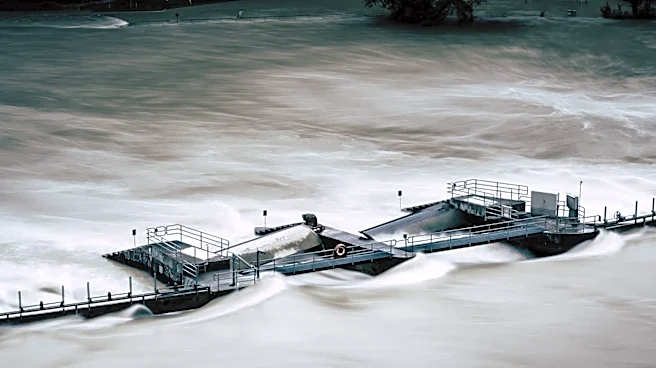
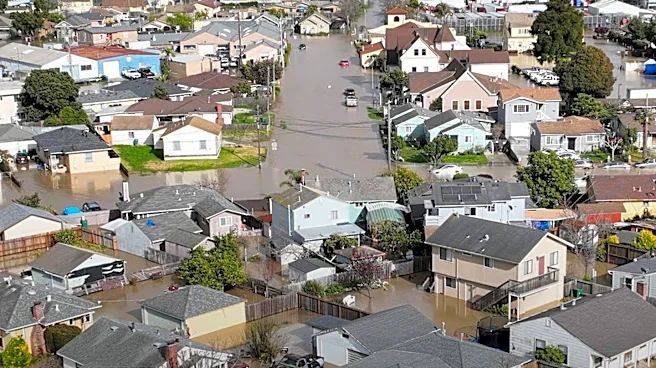
El Niño event between November and January, which is California's wet season. Historically, strong El Niño events have led to wetter-than-average winters in California. However, the state's major reservoirs are already at or above average capacity due to several consecutive wet winters, leaving little room for additional water storage. This situation may necessitate the release of water from reservoirs to create flood-control space, potentially leading to increased flood risks if heavy storms occur. The reliance on Sierra Nevada snowpack, which provides a steady water source, is also challenged as more precipitation is expected to fall as rain rather than snow due to climate change.
Why It's Important?
The potential for a very strong El Niño poses significant challenges for California's water management strategies. While a wetter winter could alleviate drought conditions, the current high reservoir levels mean that additional precipitation could lead to flooding. This situation underscores the complexity of managing water resources in the face of climate change, which is altering precipitation patterns and increasing the likelihood of rain over snow. The need to balance water storage with flood prevention highlights the importance of adaptive management strategies in response to changing climate conditions. The outcome of this winter's weather patterns could have lasting impacts on water policy and infrastructure planning in California.
What's Next?
As the winter season approaches, California's water managers will need to closely monitor weather forecasts and reservoir levels to make informed decisions about water releases. The potential for increased flood risk may prompt preemptive measures to lower reservoir levels, balancing the need for water storage with flood prevention. Additionally, the ongoing shift from snow to rain as the primary form of precipitation will require long-term adjustments in water management strategies. Stakeholders, including government agencies and local communities, will need to collaborate to address the challenges posed by a changing climate and ensure the resilience of California's water systems.