






What's Happening?
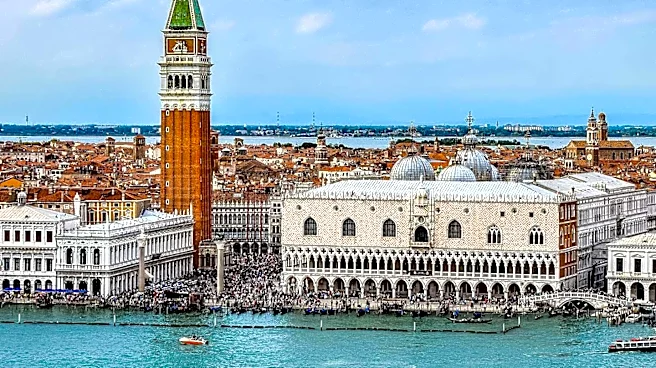
Venice, Italy, has introduced an access contribution for day visitors on selected peak dates as part of its tourism management policy. This fee is not a permanent entrance charge, and access remains free on other days. The measure aims to regulate the flow
of tourists, particularly during periods of high visitor numbers. Exemptions apply to individuals staying overnight, as they already contribute through tourist taxes paid via their accommodation. Residents, workers, and young children are also exempt from this fee. The specific dates and practical arrangements for the access contribution are subject to change annually, requiring visitors to check official municipal information closer to their travel dates. This initiative reflects Venice's ongoing efforts to balance its status as a major tourist destination with the preservation of its unique environment and the quality of life for its residents. The city, built on islands in the Venetian Lagoon, is known for its intricate canal network and historic architecture, which are supported by wooden piles driven into lagoon mud.
Why It's Important?
This access fee is a significant development in sustainable tourism, offering a model for other popular destinations grappling with overtourism. For Venice, it represents a direct effort to mitigate the environmental and social impacts of high visitor volumes, which can strain infrastructure and diminish the authentic experience for both tourists and locals. The policy could influence how other cities manage their tourism economies, potentially leading to similar charges or restrictions in areas facing similar challenges. Economically, while the fee generates revenue, its primary goal is crowd management, which could lead to a more sustainable tourism industry in the long run. It aims to shift the focus from sheer visitor numbers to a more controlled and higher-quality visitor experience, potentially benefiting local businesses that cater to longer-staying tourists rather than transient day-trippers. The success of this model could set a precedent for how cultural heritage sites worldwide approach visitor management.
What's Next?
The city of Venice will continue to monitor the effectiveness of the access contribution, with adjustments to the designated dates and operational procedures expected annually. Visitors planning trips to Venice will need to consult the official municipal website for the most current information regarding fee application dates and exemption requirements. There may be ongoing discussions and potential refinements to the policy based on feedback from tourists, local businesses, and residents. Other global tourist destinations will likely observe Venice's experience closely, potentially influencing their own tourism management strategies. The long-term impact on visitor numbers, local economy, and the preservation of Venice's cultural and environmental heritage will be key metrics for evaluating the policy's success. Further technological implementations for registration and payment may also be introduced to streamline the process for visitors.
Beyond the Headlines
The implementation of an access fee in Venice highlights a broader global debate on the ethics and practicalities of managing access to cultural heritage sites. It raises questions about who has the right to experience such places and at what cost, both financial and environmental. This policy could be seen as a step towards a more equitable distribution of tourism's benefits and burdens, encouraging a shift from mass tourism to more mindful travel. It also underscores the tension between economic gain from tourism and the imperative to preserve unique historical and natural environments. The long-term success of such measures will depend not only on their immediate impact on crowd control but also on their ability to foster a sustainable relationship between visitors and the visited, potentially leading to a re-evaluation of tourism's role in urban planning and cultural preservation.