






What's Happening?
The Trump administration's budget plan includes significant funding cuts to the Centers for Disease Control and Prevention's National Wastewater Surveillance System (NWSS), reducing its budget from $125 million to $25 million annually. This reduction
comes as the COVID-19 'Cicada' variant spreads across the U.S., highlighting the need for robust monitoring systems. Wastewater surveillance is a critical tool for early detection of infectious diseases, allowing public health responses to be more proactive. Experts warn that the funding cuts could severely limit the ability to track disease hotspots and respond to outbreaks effectively.
Why It's Important?
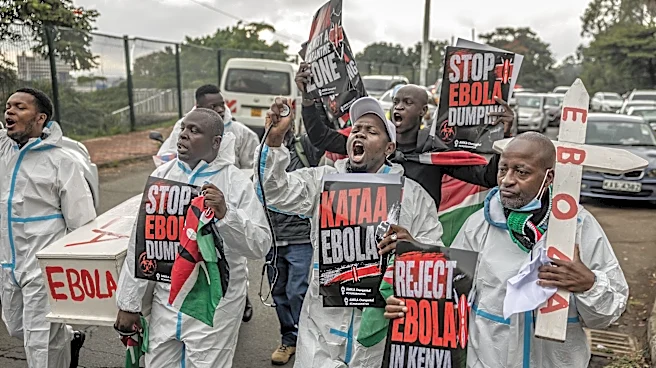
The reduction in funding for wastewater surveillance could undermine public health infrastructure at a time when multiple infectious disease outbreaks are occurring globally. Wastewater surveillance provides a cost-effective early warning system that can detect diseases before they become widespread, potentially saving lives and reducing healthcare costs. The cuts could lead to a loss of national coverage and the ability to respond to outbreaks of diseases like hantavirus, Ebola, measles, or polio. This could have serious implications for public health and safety in the U.S.
What's Next?
Public health practitioners and scientists are urging Congress to restore full funding for the NWSS to maintain its national coverage and effectiveness. The People's CDC, a coalition of public health experts, is mobilizing constituents to contact their representatives to highlight the importance of wastewater surveillance. Without adequate funding, the U.S. risks losing a vital tool for monitoring and responding to infectious disease threats, which could have long-term consequences for public health preparedness.