

What's Happening?
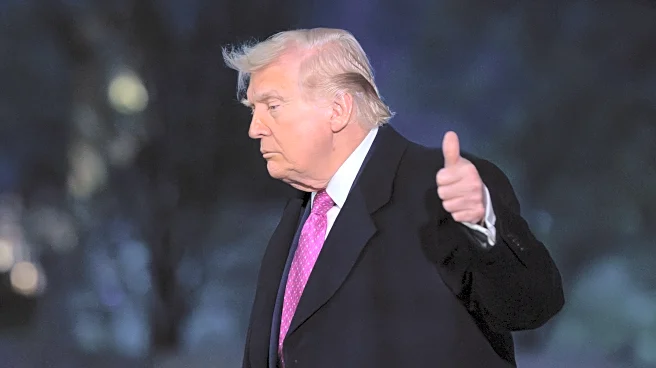
In an exclusive interview with Al Jazeera, Secretary of State Marco Rubio declared that the U.S. will not accept Iran's control over the Strait of Hormuz. Rubio stated that the Strait would reopen 'one way or another' following the ongoing conflict. He
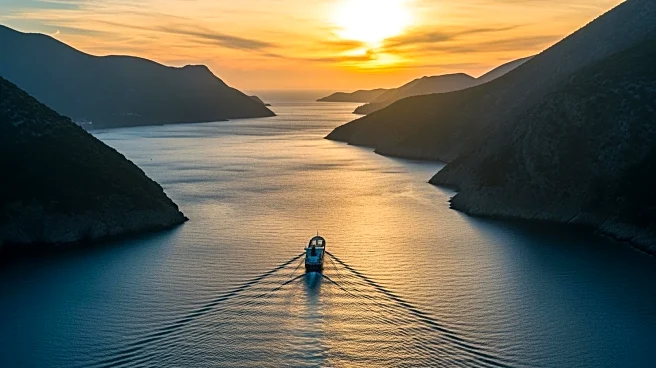
warned Iran of 'real consequences' if it continues to block this critical maritime passage. The Strait of Hormuz is a vital route for global oil shipments, and its closure has significant implications for international energy markets. Rubio's comments reflect the U.S. administration's firm stance against Iran's actions, emphasizing the strategic importance of maintaining open shipping lanes in the region.
Why It's Important?
The Strait of Hormuz is a strategic chokepoint for global oil transportation, and its closure could lead to severe disruptions in energy supplies and increased oil prices worldwide. Rubio's firm stance signals the U.S. commitment to ensuring the free flow of commerce through this critical passage. The situation underscores the broader geopolitical tensions between the U.S. and Iran, with potential implications for international relations and global energy security. The U.S. response could influence diplomatic relations with key allies and impact global economic stability.
What's Next?
The U.S. may pursue diplomatic and military options to ensure the reopening of the Strait of Hormuz. Rubio's comments suggest a willingness to escalate measures if necessary, which could involve increased military presence or international diplomatic efforts. The situation will require careful navigation to avoid further escalation while ensuring the security of global energy supplies. The international community will be closely monitoring developments, as any resolution will have significant implications for global markets and regional stability.