




What's Happening?
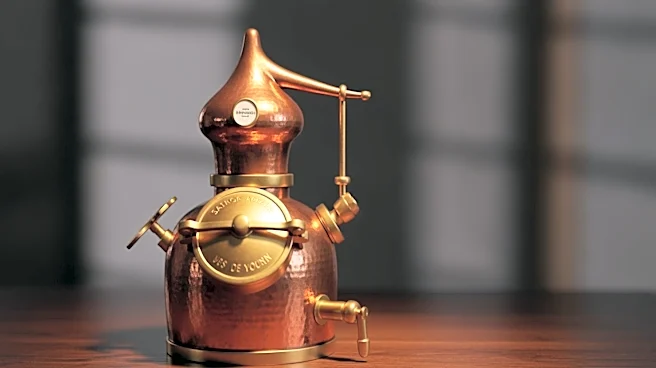
A U.S. appeals court has declared a nearly 158-year-old federal ban on home distilling unconstitutional. The 5th U.S. Circuit Court of Appeals in New Orleans ruled in favor of the Hobby Distillers Association and some of its members, who argued that individuals
should be allowed to distill spirits at home for personal use. The ban, originating from a law passed in 1868 during the Reconstruction era, was initially intended to prevent liquor tax evasion. Violators faced up to five years in prison and a $10,000 fine. Circuit Judge Edith Hollan Jones, writing for the three-judge panel, stated that the ban reduced tax revenue by preventing distilling, unlike regulations that allow for tax collection on distilled spirits. The court's decision is seen as a victory for individual liberty, allowing enthusiasts to pursue home distilling without legal repercussions.
Why It's Important?
The court's decision has significant implications for individual rights and federal regulatory power. By overturning the ban, the ruling challenges the extent of federal authority to regulate personal activities within the home. This decision could set a precedent for other cases where federal regulations are seen as overreaching. For the home distilling community, this ruling represents a major victory, potentially leading to increased hobbyist activity and innovation in home-brewed spirits. Economically, the decision could impact the spirits industry by introducing more competition and possibly influencing tax revenue structures related to alcohol production.
What's Next?
Following the court's decision, the U.S. Department of Justice and the Treasury Department's Alcohol and Tobacco Tax and Trade Bureau may consider appealing the ruling or adjusting current regulations to align with the court's findings. The decision could prompt legislative action to establish new guidelines for home distilling that balance individual freedoms with tax collection needs. Stakeholders in the spirits industry and regulatory bodies will likely monitor the situation closely to assess the broader impact on the market and regulatory practices.