






What's Happening?
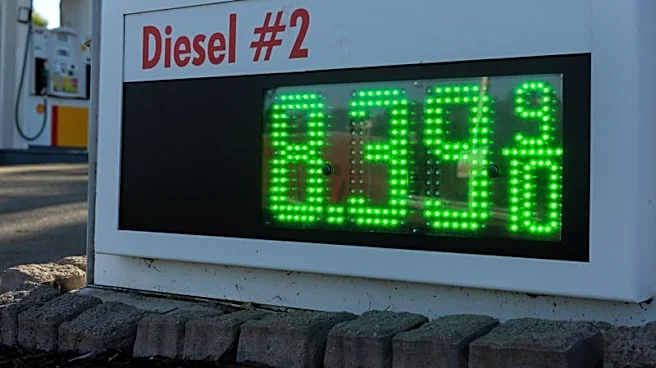
Houston officials are currently proposing new regulations that would limit the construction of gas stations in proximity to residential and mixed-use areas. This initiative comes in response to a growing number of complaints from residents concerning
issues such as noise pollution, noxious fumes, and increased traffic congestion associated with gas station operations. The proposed changes aim to restrict the development of new gas stations primarily to major thoroughfares, thereby creating a buffer between these commercial establishments and residential communities. This move signifies an effort by the city to address quality-of-life concerns raised by its citizens and to better manage urban development.
Why It's Important?
This proposal is important as it directly impacts urban planning and the quality of life for Houston residents. If enacted, it could significantly alter the landscape of commercial development within the city, particularly for the petroleum retail sector. For residents, these restrictions could lead to a reduction in environmental nuisances and an improvement in neighborhood tranquility. For businesses, especially those in the gas station industry, it would necessitate a re-evaluation of site selection strategies and potentially increase development costs due to limited suitable locations. The policy reflects a growing trend in urban centers to balance commercial growth with community well-being and environmental considerations, setting a precedent for how future development might be regulated in Houston.
What's Next?
The next steps involve further discussion and potential refinement of the proposed regulations by Houston officials. This process will likely include public hearings or community forums to gather feedback from residents, business owners, and other stakeholders. Following these consultations, the city council or relevant planning committees will vote on the adoption of the new limits. If approved, the city will then need to establish clear guidelines and enforcement mechanisms for the revised zoning and construction policies. The implementation of these restrictions could lead to a shift in development patterns, with gas station developers focusing on designated commercial corridors rather than residential-adjacent sites.
Beyond the Headlines
Beyond the immediate impact on gas station development, this initiative highlights a broader challenge faced by rapidly growing urban areas: how to manage commercial expansion without compromising residential quality of life. It underscores the increasing demand for sustainable urban planning that prioritizes community health and environmental considerations. This policy could also encourage innovation in urban design, prompting developers to consider alternative commercial models or to integrate services in ways that minimize negative externalities. Furthermore, it reflects a potential shift in municipal governance towards more resident-centric development policies, where citizen complaints and well-being play a more significant role in shaping urban growth strategies.