








What's Happening?
Researchers at St. Jude Children’s Research Hospital have discovered a new metabolic mechanism that tumors use to disable dendritic cells, which are crucial for initiating an immune response against cancer. The study, published in Science, reveals that tumors impair
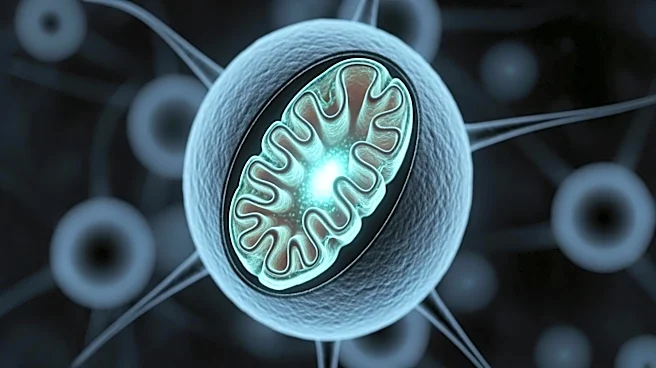
dendritic cell function by reducing mitochondrial fitness, thereby weakening the immune system's ability to fight cancer. By enhancing mitochondrial function in these cells, the researchers were able to restore their activity and improve the efficacy of existing immunotherapies. In preclinical mouse models, introducing dendritic cells with high mitochondrial activity into tumors restored immunogenic activity and improved tumor control.
Why It's Important?
This discovery is significant as it offers a new approach to enhance the effectiveness of cancer immunotherapies, which have been transformative for many patients but are not universally effective. By understanding and manipulating the mitochondrial function of dendritic cells, researchers can potentially improve the immune system's ability to combat cancer, leading to better outcomes for patients. The study highlights the potential for combination therapies that include enhanced dendritic cells and immune checkpoint blockade, which showed synergistic effects in slowing or stopping tumor growth in mice. This could pave the way for more durable and long-term cancer treatments.
What's Next?
The findings suggest new directions for cancer treatment development, focusing on rewiring dendritic cell function to enhance immunotherapy. Future research will likely explore the application of these findings in clinical settings, potentially leading to new treatment protocols that incorporate mitochondrial enhancement strategies. The study also opens avenues for further investigation into the metabolic pathways affected by the tumor microenvironment, which could lead to additional therapeutic targets.
Beyond the Headlines
The study underscores the complex interplay between cancer cells and the immune system, particularly how tumors can manipulate immune cells to their advantage. By identifying the signaling axis involving proteins OPA1 and NRF1, researchers have provided insights into the molecular mechanisms that could be targeted to reverse the immunosuppressive effects of tumors. This research not only advances the understanding of cancer biology but also highlights the importance of metabolic processes in immune regulation.