







What's Happening?
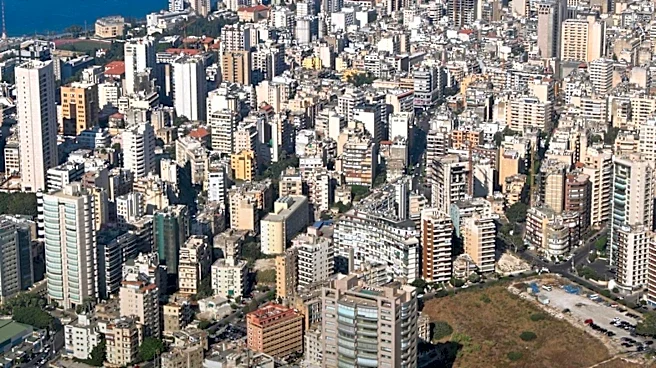
The humanitarian situation in Lebanon is deteriorating as hopes for a lasting ceasefire between Hezbollah and Israel diminish. The conflict has displaced over a million people, with many living in shelters provided by organizations like Oxfam. These shelters offer
basic necessities such as mattresses, dignity kits, and solar panels to help communities adjust. The ongoing conflict has led to repeated displacement, with many people eager to return to their homes despite the destruction. The situation is compounded by a lack of jobs and stability, making daily life challenging for those affected.
Why It's Important?
The deepening crisis in Lebanon highlights the urgent need for a sustainable ceasefire and increased humanitarian aid. The conflict has not only displaced millions but also strained the country's infrastructure and resources. Organizations like Oxfam play a crucial role in providing immediate relief and supporting long-term recovery efforts. The situation underscores the importance of international diplomatic efforts to achieve peace and stability in the region, as well as the need for continued humanitarian support to address the growing needs of displaced populations.
What's Next?
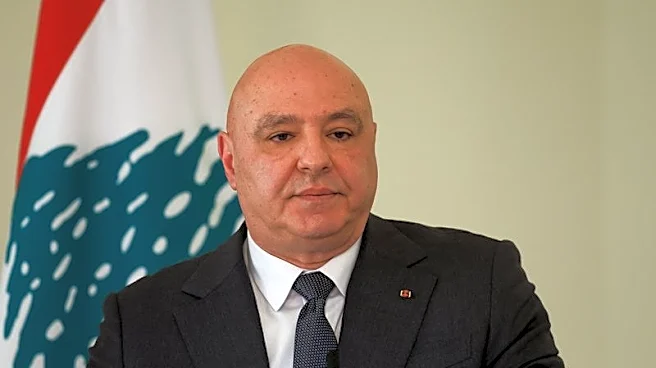
Lebanon's President Joseph Aoun is set to meet with President Trump in Washington to discuss the situation and seek U.S. support in pressuring Israel to withdraw from Lebanon. The outcome of these talks could influence the future of the conflict and the humanitarian response. Meanwhile, organizations like Oxfam will continue to provide essential services and support to displaced communities, adapting their strategies to meet evolving needs. The international community's response will be critical in determining the trajectory of the crisis and the prospects for peace.