






What's Happening?
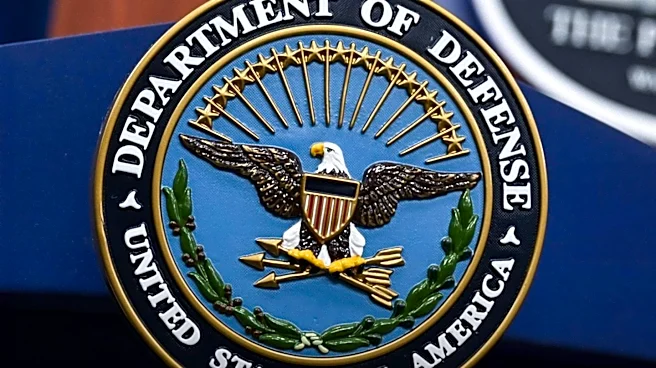
Representative Sarah McBride (D-DE) has publicly criticized Secretary of Defense Pete Hegseth, accusing him of undermining the U.S. military through his focus on culture wars. In an interview, McBride stated that Hegseth is "fundamentally unwilling to
have anyone who makes him question his own superiority surrounding him" and that he pursues an ideological agenda "at all costs, no matter how much it leaves our nation and our military weaker and less secure." McBride also suggested that Hegseth's actions stem from insecurity, leading him to fire competent generals and cause qualified individuals to resign. She explicitly called for Hegseth's impeachment, noting her support for a resolution filed in April by Representative Yassamin Ansari (D-AZ). Ansari's resolution alleges that Hegseth broke his oath, endangered U.S. troops, abused his office, and carried out unlawful military actions, including strikes on civilians in Iran. Other members of Congress, including Representative Sydney Kamlager-Dove (D-CA) and Representative Becca Balint (D-VT), have also voiced strong support for Hegseth's impeachment.
Why It's Important?
This criticism from Representative McBride and other lawmakers highlights a significant concern regarding the leadership of the Department of Defense and its potential impact on national security. Accusations of prioritizing ideological agendas over military readiness could erode public and congressional confidence in the Pentagon's leadership. If true, the alleged firing of competent generals and the resignation of qualified personnel could lead to a brain drain within the military, weakening its strategic capabilities and operational effectiveness. The focus on 'culture wars,' such as those against Diversity, Equity, and Inclusion (DEI) initiatives and transgender individuals in the military, as described by sources, could alienate segments of the armed forces and potential recruits, further impacting morale and recruitment efforts. This situation could also strain civil-military relations, as military leaders may feel pressured to align with political ideologies rather than focusing solely on defense objectives. The call for impeachment underscores the severity of these concerns and suggests a deep division within Congress regarding the Secretary's conduct and its implications for the nation's defense posture.
What's Next?
The calls for Secretary Hegseth's impeachment are expected to continue, with Representative Ansari and others pushing for more colleagues to sign onto the articles of impeachment. The resignation of Army Secretary Dan Driscoll, reportedly due to a tense relationship with Hegseth and concerns about military readiness, may further fuel these efforts and bring additional scrutiny to Hegseth's tenure. Congressional hearings and investigations into the allegations of abuse of office, unauthorized disclosure of classified information, and unlawful military actions could follow. Stakeholders, including military families and defense officials, are likely to continue expressing their concerns, potentially influencing public opinion and political pressure on Congress. The ongoing debate over the role of 'culture wars' in the military is also likely to persist, with potential policy implications for recruitment, retention, and overall military culture. The situation could escalate into a more formal impeachment process, depending on the level of support garnered in Congress and the emergence of further evidence.
Beyond the Headlines
Beyond the immediate political ramifications, the controversy surrounding Secretary Hegseth touches upon deeper issues concerning the politicization of the military and the balance between civilian oversight and military professionalism. The accusations of prioritizing ideological purity over competence raise questions about the long-term health of the U.S. armed forces and its ability to attract and retain top talent. If military leadership is perceived as being driven by political agendas rather than strategic imperatives, it could undermine the non-partisan nature traditionally associated with the military, potentially impacting its effectiveness and public trust. The debate also highlights the ongoing tension between traditional military values and evolving societal norms, particularly concerning diversity and inclusion. The outcome of this situation could set a precedent for how future Secretaries of Defense navigate political pressures while maintaining the integrity and operational strength of the military, potentially influencing future defense policies and the composition of military leadership.