






What's Happening?
The World Medical Association (WMA) has initiated a call for contributions to revise its Medical Ethics Manual. This will be the fourth edition of the manual, with previous editions published in 2005, 2009, and 2015. The revision is necessary to incorporate
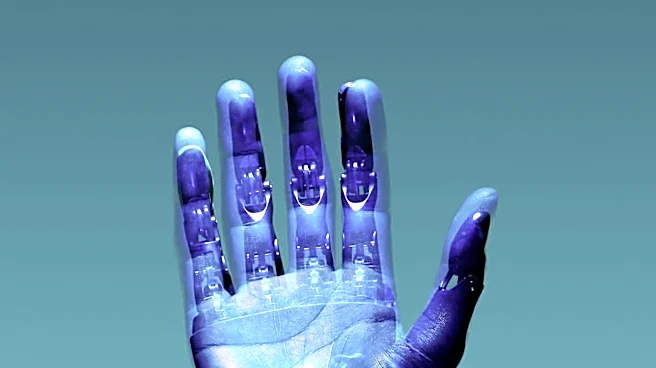
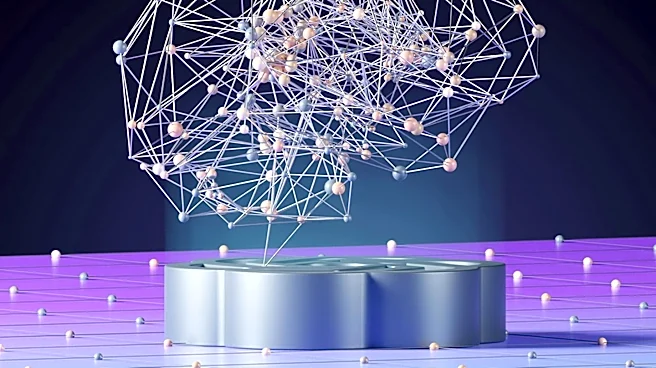
updates to various WMA policies, including the Declaration of Geneva, the International Code of Medical Ethics, the Declaration of Helsinki (2024), and the Declaration of Taipei (2016), all of which have been revised since the third edition. Additionally, the WMA has adopted a new Statement on Artificial and Augmented Intelligence in Medical Care, which will be reflected in the upcoming manual. The Editorial Board is seeking views from medical professionals and stakeholders through a questionnaire to identify important changes and improvements for the new edition. The questionnaire, which takes approximately 10 to 15 minutes to complete, is open for submissions until November 15, 2026.
Why It's Important?
The revision of the WMA Medical Ethics Manual holds significant importance for the U.S. medical community and healthcare landscape. As a globally recognized authority on medical ethics, the WMA's guidelines often influence national medical associations, including the American Medical Association (AMA), and shape ethical standards in clinical practice, research, and medical education. The inclusion of updates related to artificial and augmented intelligence in medical care is particularly relevant, given the rapid integration of AI technologies into U.S. healthcare. This will help establish ethical frameworks for the use of AI, addressing concerns such as patient data privacy, algorithmic bias, and the physician-patient relationship in an AI-assisted environment. Furthermore, the updated manual will provide guidance on evolving ethical considerations in areas like patient autonomy, informed consent, and end-of-life care, impacting how U.S. physicians navigate complex moral decisions and ensuring consistency with international best practices.
What's Next?
The WMA's Editorial Board will collect and analyze the feedback received from the questionnaire by the November 15, 2026 deadline. Following this, the drafting process for the fourth edition of the Medical Ethics Manual will commence. The revised manual is expected to be published at a later date, incorporating the updated WMA policies and addressing new ethical issues identified through the consultation process. Once published, the new edition will likely be disseminated globally and translated into multiple languages, similar to previous editions. Medical associations, educational institutions, and healthcare providers in the U.S. will then need to review and potentially adapt their own ethical guidelines and training programs to align with the updated WMA standards. This ongoing process ensures that medical ethics remain relevant and responsive to advancements in medicine and societal changes.
Beyond the Headlines
The revision of the Medical Ethics Manual goes beyond mere updates to reflect new policies; it represents a continuous effort to define and uphold the core values of medicine in an increasingly complex world. The integration of artificial intelligence into the manual highlights a profound shift in medical practice, prompting deeper ethical considerations about human-machine collaboration, accountability for AI-driven decisions, and the potential for technology to both enhance and challenge traditional medical ethics. This process also underscores the global interconnectedness of medical ethics, as the WMA seeks to establish universal principles that can be applied across diverse cultural and legal contexts. The manual's evolution reflects a broader societal dialogue about the boundaries of medical intervention, patient rights, and the responsibilities of healthcare professionals in an era of rapid technological and social change, influencing how future generations of U.S. doctors are trained and practice.