


What's Happening?
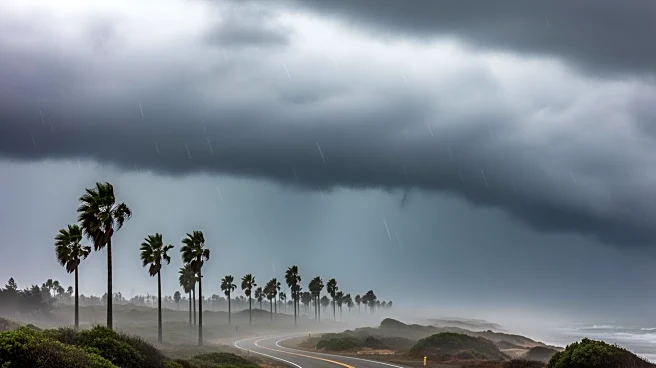
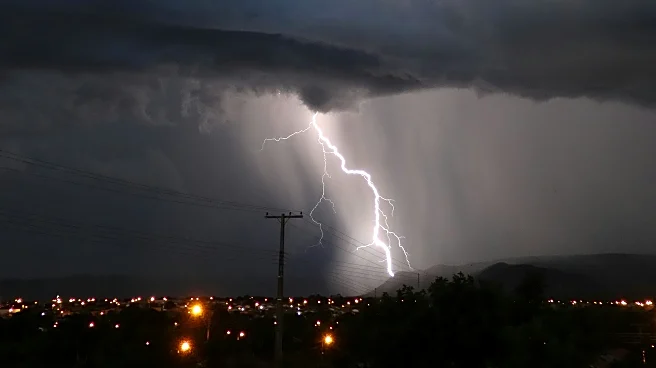
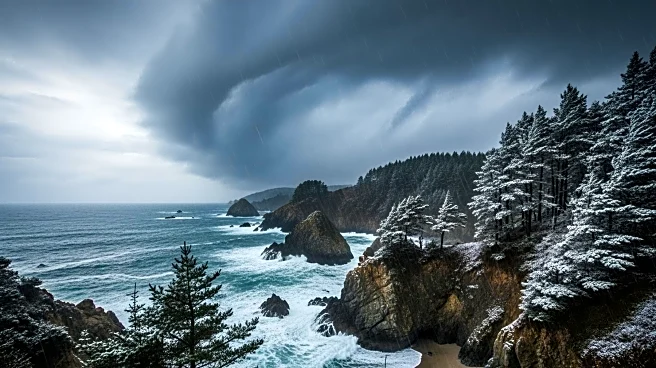
A powerful storm system is currently impacting Southern California, bringing with it significant weather challenges. The storm is expected to deliver heavy rain, with rates reaching up to 1 inch per hour in some areas, which could overwhelm storm drains
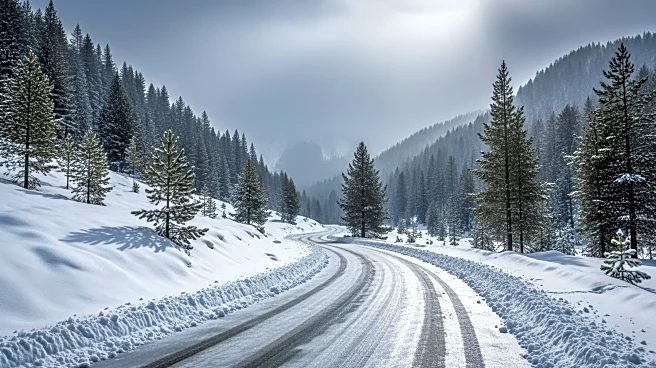
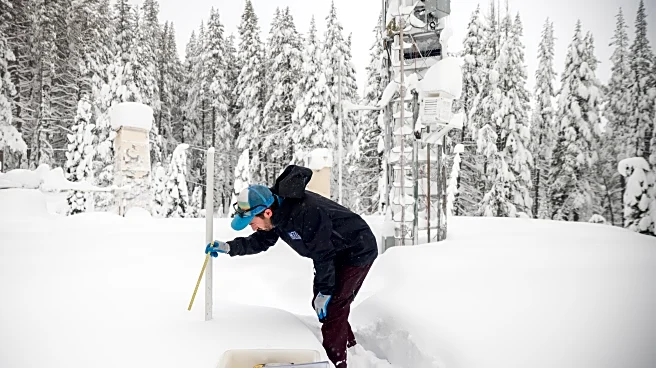
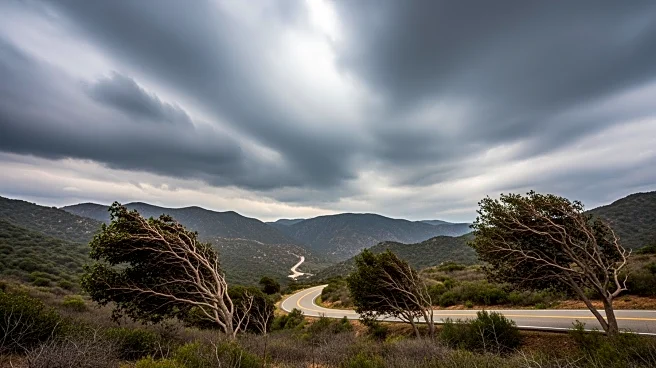
and lead to flash flooding. The Transverse Ranges, including the San Gabriels and Santa Monicas, are experiencing orographic lift, causing heavier rainfall on mountain slopes compared to coastal areas. This has prompted evacuation warnings in neighborhoods affected by recent wildfires, such as the Palisades and Sunset areas, due to the risk of debris flows. Additionally, the Sierra Nevada mountains could see up to 8 feet of snow, creating hazardous travel conditions. High wind warnings are also in effect, with gusts potentially reaching 70 mph, posing a threat to trees and power lines.
Why It's Important?
The storm poses significant risks to life and property across California. The combination of heavy rain, potential flash floods, and debris flows in burn scar areas could lead to dangerous conditions for residents. The heavy snowfall in the Sierra Nevada could disrupt transportation and lead to power outages. The high winds increase the risk of downed trees and power lines, which could result in widespread power outages and infrastructure damage. This storm highlights the vulnerability of areas recently affected by wildfires, where the soil's water-repellant nature increases the risk of landslides. The situation underscores the importance of emergency preparedness and the need for residents to heed evacuation warnings to ensure their safety.
What's Next?
As the storm progresses, residents in affected areas are advised to stay informed through local news and weather updates. Emergency services are likely to remain on high alert, ready to respond to any incidents of flooding or landslides. The state may see increased efforts in disaster response and recovery, particularly in areas with significant damage. Authorities will likely continue to monitor weather conditions closely and issue further warnings or advisories as needed. Residents should prepare for potential power outages and ensure they have necessary supplies on hand. The aftermath of the storm may also prompt discussions on improving infrastructure resilience and emergency response strategies in the face of increasingly severe weather events.