
What's Happening?
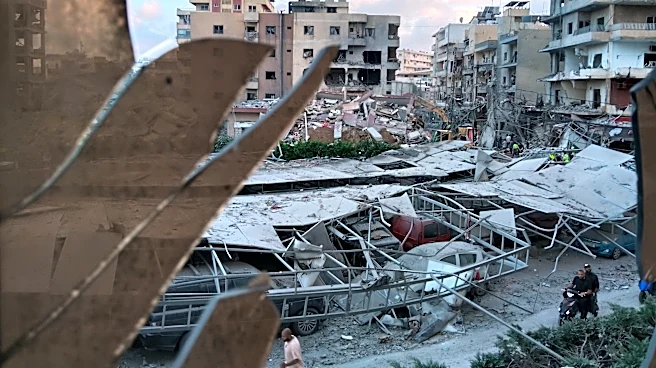
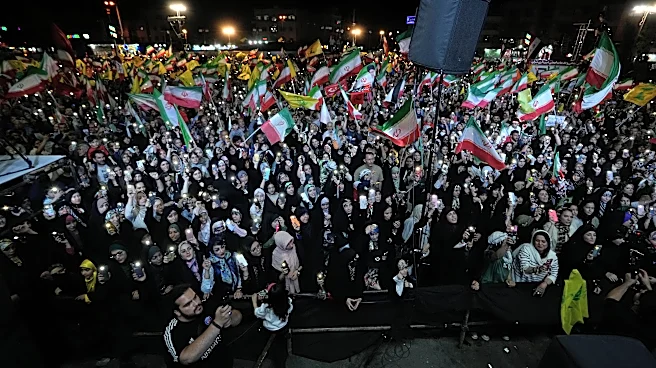
Iran has suspended peace talks with the United States, demanding that Israel limit its military offensive against Hezbollah in southern Lebanon. This decision follows an escalation of Israeli military activities
north of the Litani River, which has angered Iran. The Iranian negotiating team has halted discussions and exchanges of texts through intermediaries, citing violations of the ceasefire preconditions that included Lebanon. Additionally, the Iranian state media has warned that continued Israeli offensives could lead to the reactivation of Houthi anti-shipping operations in the Red Sea. Despite these tensions, small amounts of maritime traffic continue to navigate past U.S. and Iranian blockades in the Strait of Hormuz.
Why It's Important?
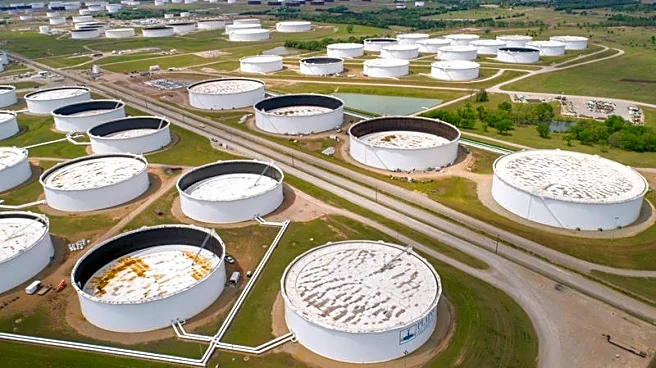
The suspension of peace talks between Iran and the U.S. has significant implications for global oil markets and geopolitical stability. The Strait of Hormuz is a critical chokepoint for global oil supply, and any disruption could lead to increased oil prices and economic instability. The ongoing conflict between Israel and Hezbollah, backed by Iran, further complicates the situation, potentially escalating into a broader regional conflict. The U.S. and Iran's inability to reach an agreement could prolong tensions, affecting international relations and economic conditions, particularly for countries reliant on oil imports.
What's Next?
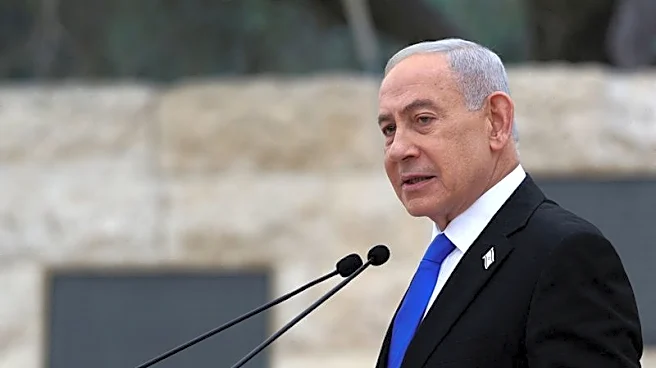
The future of the peace talks remains uncertain, with both sides contemplating a hiatus. President Trump has indicated a willingness to go 'silent' on talks, while Iran has shown readiness to escalate its regional influence through allied groups like the Houthis. The international community, particularly oil-importing nations, will be closely monitoring the situation for any signs of de-escalation or further conflict. The potential for renewed negotiations or increased military actions will significantly impact global economic and political landscapes.