
What's Happening?
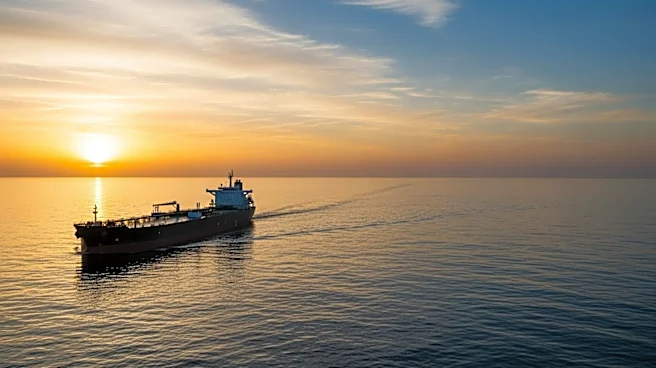
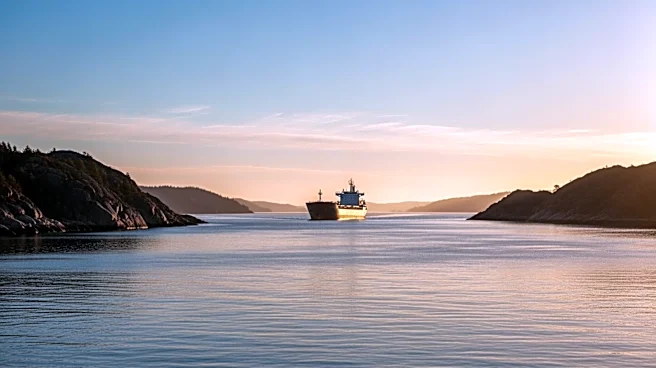
Iran has closed the Strait of Hormuz, a critical maritime passage, following a U.S. blockade. This action comes just a day after Iran had declared the strait open. The closure is part of Iran's response
to the U.S. blockade, which Tehran demands be lifted. The situation adds complexity to ongoing peace talks, as the strait is a vital route for global oil shipments. The closure of the Strait of Hormuz, which sees a significant portion of the world's oil supply pass through, could have substantial implications for global energy markets.
Why It's Important?
The closure of the Strait of Hormuz by Iran is significant due to its strategic importance in global oil transportation. Any disruption in this region can lead to increased oil prices and affect global energy security. The U.S. blockade and Iran's response highlight the ongoing geopolitical tensions in the Middle East, which could impact international relations and economic stability. The situation also poses a challenge to peace negotiations, potentially affecting diplomatic efforts in the region.
What's Next?
The continuation of the strait's closure could lead to increased diplomatic efforts to resolve the blockade issue. Major stakeholders, including oil-importing nations and international organizations, may push for negotiations to reopen the passage. The U.S. and Iran might engage in further diplomatic discussions to address the blockade and its implications. The situation could also prompt other countries to seek alternative oil supply routes, affecting global trade patterns.