




What's Happening?
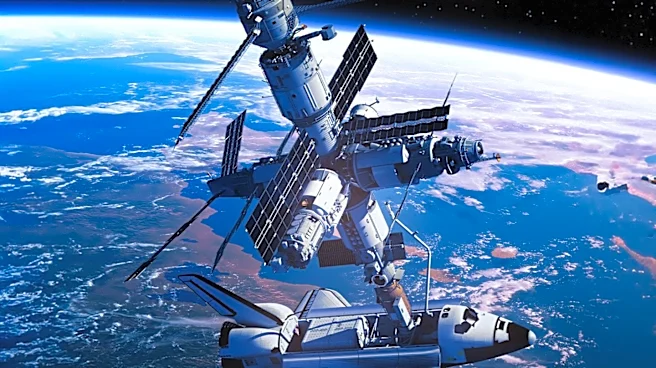
Cold welding, a phenomenon where metal surfaces fuse together in the vacuum of space, poses a significant challenge for spacecraft engineers. This occurs because, in space, there is no oxygen to form an oxide layer on metal surfaces, which on Earth prevents
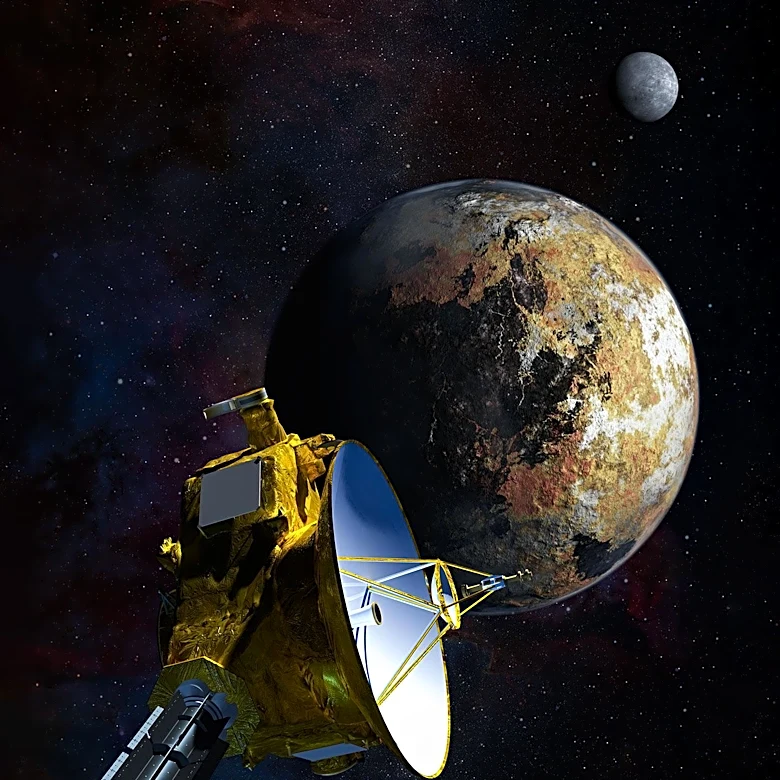
such bonding. Without this protective layer, the free electrons on the surface of metals can share with another metal surface, causing them to bond. This issue has been a concern since the early days of space exploration, as it can lead to mechanical failures in spacecraft components. For instance, NASA's Galileo probe experienced issues with its high-gain antenna, which failed to fully deploy due to suspected cold welding. Engineers have developed strategies to mitigate this risk, such as anodizing metal surfaces, using dry lubricants, and pairing dissimilar metals to prevent bonding.
Why It's Important?
The implications of cold welding are significant for the aerospace industry, as it can lead to the malfunction of critical spacecraft components. This can result in mission failures, increased costs, and potential safety hazards. Understanding and preventing cold welding is crucial for the reliability and success of space missions. The phenomenon highlights the unique challenges of operating in the space environment, where traditional engineering solutions may not apply. As space exploration and commercial activities in space expand, addressing cold welding becomes increasingly important to ensure the longevity and functionality of spacecraft.
What's Next?
To combat cold welding, engineers continue to refine their techniques and materials used in spacecraft design. Future advancements may include the development of new materials that are less prone to cold welding or more effective coatings and lubricants. Additionally, ongoing research into the atomic interactions in space could lead to innovative solutions. As space missions become more complex and frequent, the aerospace industry must prioritize addressing cold welding to prevent costly and potentially dangerous failures.
Beyond the Headlines
Cold welding also raises broader questions about material science and engineering in extreme environments. It underscores the need for continued research into the behavior of materials in space and the development of new technologies to adapt to these conditions. The phenomenon also highlights the importance of interdisciplinary collaboration between materials scientists, engineers, and space agencies to solve complex challenges in space exploration.