
What's Happening?
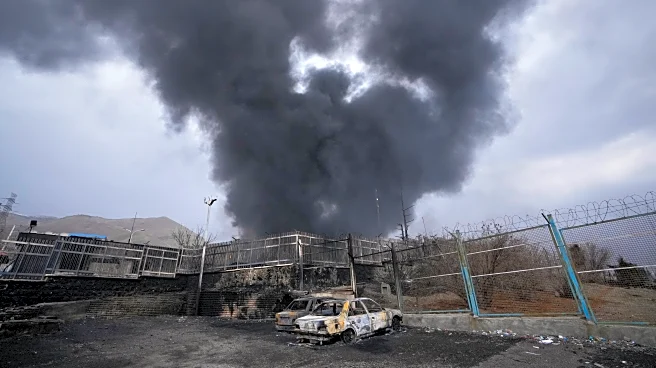
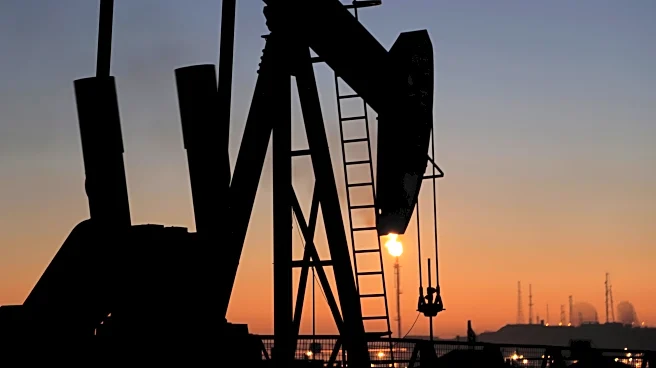
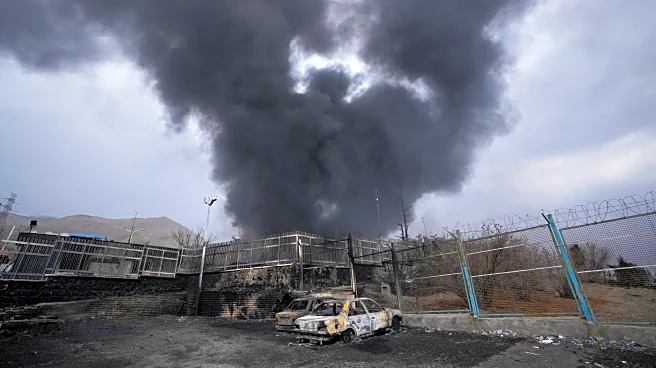
Saudi Aramco, the world's leading oil exporter, has begun reducing output at two of its oilfields due to severe logistical bottlenecks caused by the conflict in the Strait of Hormuz. This reduction follows the U.S. and Israeli military actions against
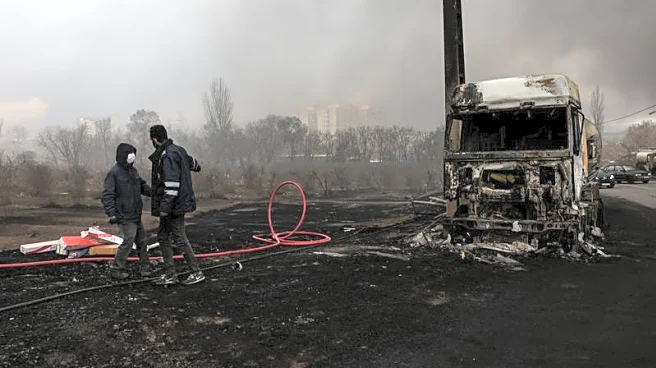
Iran, which led to retaliatory attacks affecting Gulf countries hosting U.S. military facilities. The Strait of Hormuz, a critical oil transit chokepoint, has seen shipping activities nearly come to a halt, impacting global oil and liquefied natural gas flows. Neighboring countries like Kuwait, Qatar, Iraq, the UAE, and Bahrain have also reduced production and declared force majeure on shipments. The disruptions have pushed Brent crude futures to their highest levels since mid-2022, nearing $120 a barrel. Saudi Arabia has attempted to mitigate the impact by rerouting crude shipments through the Red Sea via the East-West pipeline to Yanbu, but these efforts have not fully compensated for the loss of millions of barrels due to the Gulf closure.
Why It's Important?
The reduction in oil output by Saudi Aramco and other Gulf nations highlights the vulnerability of global energy markets to geopolitical conflicts. The Strait of Hormuz is a vital artery for global oil supply, and its disruption has significant implications for energy prices worldwide. The elevated fuel prices resulting from these disruptions could lead to increased costs for consumers and businesses, potentially slowing economic growth. The situation underscores the interconnectedness of global energy markets and the potential for regional conflicts to have far-reaching economic impacts. As countries grapple with damaged infrastructure and paralyzed logistics, the energy market's stability remains uncertain, affecting stakeholders from oil producers to consumers.
What's Next?
If hostilities in the region continue, the global energy market may face prolonged instability, with sustained high fuel prices impacting economic activities worldwide. Countries dependent on Gulf oil may need to seek alternative sources or increase domestic production to mitigate the impact. Additionally, the situation may prompt discussions on energy security and diversification of energy sources to reduce reliance on volatile regions. Stakeholders, including governments and energy companies, will likely monitor the situation closely and may need to adjust strategies to address potential supply chain disruptions and economic impacts.