





What's Happening?
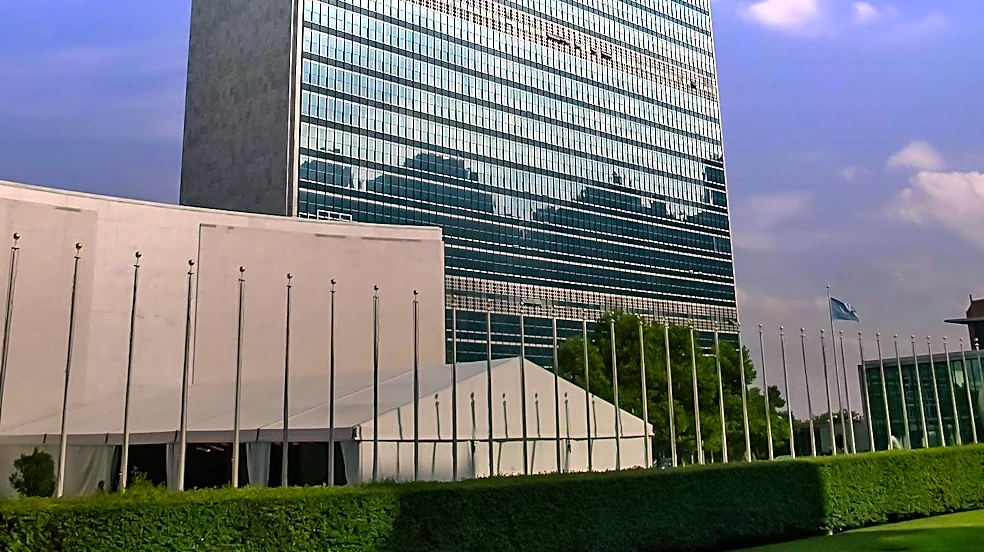
The UN Human Rights Council (UNHRC) has unanimously adopted a resolution addressing the nuclear legacy in the Marshall Islands. This marks the third biannual technical resolution on the issue. The resolution advocates for a transitional justice framework,
urging collaboration among the Marshall Islands, the United States, the United Nations, and other stakeholders. The primary goals of this framework are to uncover the truth, provide comprehensive reparations, honor victims, and prevent future environmental or health damage. The World Council of Churches (WCC) actively participated in the 63rd session of the UNHRC, contributing insights and statements, and co-sponsored events leading up to the resolution's adoption. One such event, organized by the Marshall Islands government on September 22, focused on the human rights impacts of nuclear testing across the region. Additionally, on October 1, the Human Rights Council held a dialogue specifically on the Nuclear Legacy in the Marshall Islands, bringing together government, UN, and civil society representatives, where the WCC delivered a statement based on consultations with diaspora churches.
Why It's Important?
This resolution is significant for the United States due to its historical involvement in nuclear testing in the Marshall Islands. The call for a transitional justice framework directly implicates the U.S. in providing reparations and disclosing information related to the nuclear legacy. The resolution underscores the long-term human rights and environmental consequences of these tests, which continue to affect the Marshallese people. The emphasis on truth, reparations, and prevention highlights a global expectation for accountability and support for affected communities. For the U.S., this could translate into increased diplomatic pressure, potential financial obligations for reparations, and a need to engage more deeply in environmental and health initiatives in the region. The involvement of the World Council of Churches and other civil society groups also demonstrates a broad international and humanitarian concern, which can influence public opinion and policy discussions within the U.S. regarding its historical actions and ongoing responsibilities.
What's Next?
Following the adoption of this resolution, the next steps will involve the Marshall Islands, the U.S., the UN, and other stakeholders working together to implement the transitional justice framework. This collaboration will likely focus on establishing mechanisms for truth disclosure, assessing and delivering full reparations, and developing strategies to prevent further environmental and health harm. The resolution's call for cooperation suggests ongoing diplomatic engagements and potentially new agreements between the U.S. and the Marshall Islands. Stakeholders, including the World Council of Churches, will likely continue to monitor progress and advocate for the full realization of the framework's objectives. The U.S. may face pressure to allocate resources and expertise to address the complex issues of nuclear waste management, healthcare for affected populations, and environmental restoration in the Marshall Islands. Future discussions at the UNHRC and other international forums will likely review the implementation of this resolution and the extent of U.S. engagement.
Beyond the Headlines
The resolution on the nuclear legacy in the Marshall Islands extends beyond immediate policy implications, touching upon profound ethical and historical dimensions. It highlights the enduring impact of Cold War-era nuclear testing on indigenous populations and their environment, raising questions about historical justice and the responsibilities of powerful nations. The concept of 'transitional justice' in this context seeks to address past harms and prevent future ones, setting a precedent for how nations might confront the long-term consequences of their actions. This situation also underscores the disproportionate impact of environmental and health crises on vulnerable communities, particularly small island nations facing the dual threats of historical pollution and climate change. The resolution could influence broader international discussions on environmental justice, the rights of indigenous peoples, and the ethical obligations of states regarding nuclear disarmament and non-proliferation. It serves as a reminder of the intergenerational consequences of geopolitical decisions and the ongoing need for global cooperation to address complex legacies of harm.