






What's Happening?
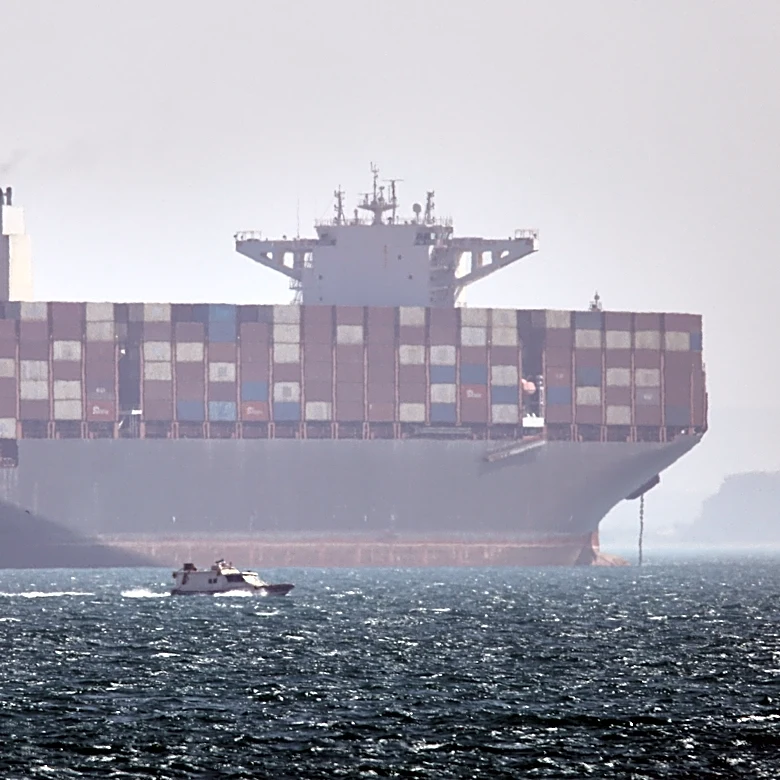
The World Health Organization (WHO) has confirmed an outbreak of hantavirus on a cruise ship in the Atlantic Ocean, resulting in three deaths and several other infections. At least six people are believed to have been infected, with one confirmed case
and five suspected cases. The outbreak has led to one person being in intensive care in South Africa. Hantaviruses are typically spread by rodents and can cause severe respiratory infections. The WHO is coordinating with member states and the ship's operators to manage the outbreak and provide medical support to those affected.
Why It's Important?
This outbreak underscores the vulnerability of cruise ships to infectious diseases, where close living conditions can facilitate rapid transmission. Hantavirus infections, while rare, pose significant health risks due to their potential severity and high mortality rate. The incident highlights the importance of robust health protocols and rapid response capabilities on cruise ships to prevent and control outbreaks. The WHO's involvement reflects the need for international cooperation in managing public health threats, particularly those with the potential to spread across borders. The situation also raises awareness of hantavirus as a public health concern, emphasizing the need for vigilance and preventive measures.
What's Next?
The WHO is conducting ongoing investigations, including laboratory testing and epidemiological assessments, to understand the outbreak's scope and prevent further spread. Efforts to evacuate and treat symptomatic individuals are underway, with a focus on providing medical care and support to those affected. The incident may lead to a reevaluation of health protocols on cruise ships and increased monitoring for hantavirus and other infectious diseases. The outcome of these efforts will inform future public health strategies and responses to similar incidents, potentially leading to enhanced preventive measures and international collaboration.