





What's Happening?
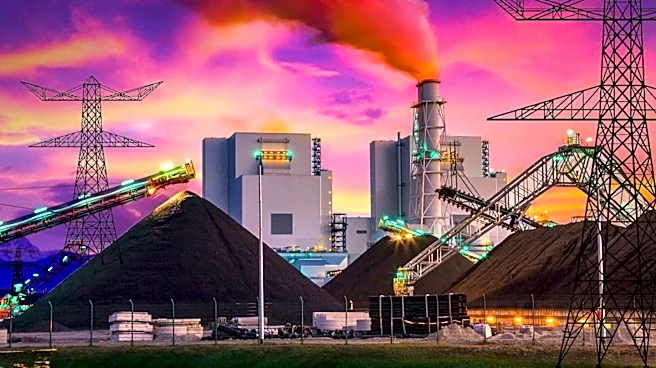
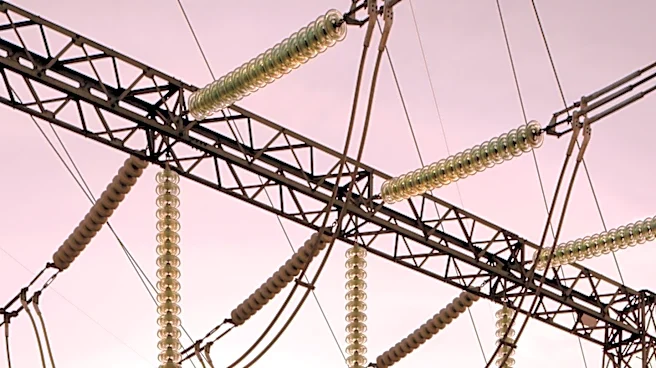
Recent heat waves across the United States are placing significant stress on electricity grids, which are already under pressure from the increasing power demands of data centers. As temperatures soar above 100°F, households are using more air conditioning,
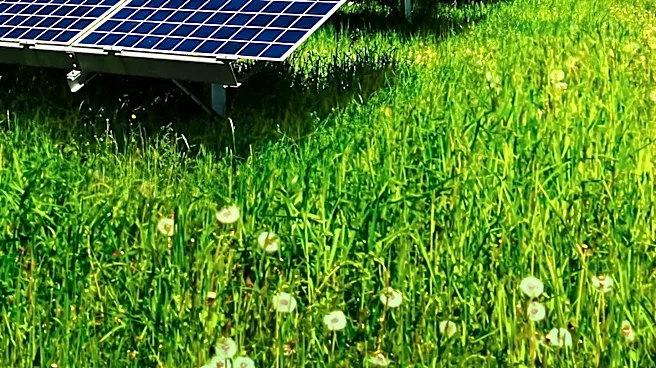
further depleting power reserves and stressing aging transmission infrastructure. Regional transmission operators (RTOs) are facing challenges in maintaining grid reliability, with emergency alerts issued across multiple states. The PJM Interconnection, serving 67 million people, has been particularly affected, with power demand reaching unprecedented levels. The Southwest Power Pool and Midcontinent Independent System Operator are also experiencing high demand, prompting federal permissions to maximize generation. Despite these challenges, Texas has managed to avoid energy emergencies due to its significant investment in renewable energy sources.
Why It's Important?
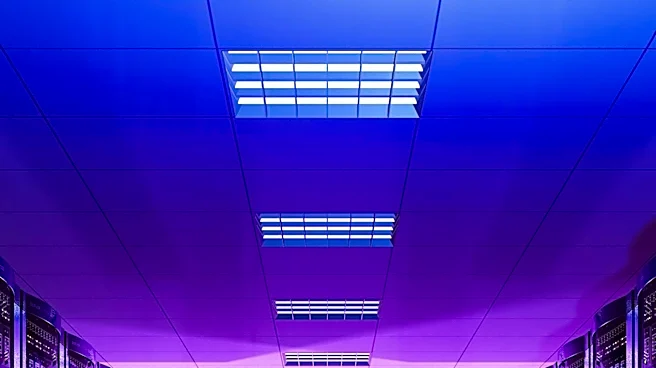
The strain on power grids highlights the growing challenges of balancing increased electricity demand with the need for reliable infrastructure. The situation underscores the urgency for investment in grid modernization and renewable energy sources to ensure stability. The demand from data centers, particularly those supporting artificial intelligence, is expected to continue rising, potentially doubling electricity needs over the next decade. This situation poses significant implications for energy policy, infrastructure investment, and climate change mitigation efforts. Failure to address these challenges could lead to more frequent power outages and increased energy costs, affecting millions of Americans and businesses reliant on stable power supply.
What's Next?
To address these challenges, grid operators are planning to enhance their systems, including holding emergency auctions to ensure data centers contribute to the generation they require. However, these improvements will require substantial investment and time. Policymakers and energy companies must collaborate to develop strategies that incorporate renewable energy sources and modernize grid infrastructure. The ongoing situation may prompt further regulatory actions and investment in energy efficiency technologies to mitigate future risks. Stakeholders will need to balance immediate reliability concerns with long-term sustainability goals.