




What's Happening?
Precision munitions manufactured by the Swiss state-owned defense contractor RUAG have reportedly reached Russia through indirect channels, according to an investigation by the NZZ am Sonntag newspaper. This occurred despite the German government's ban
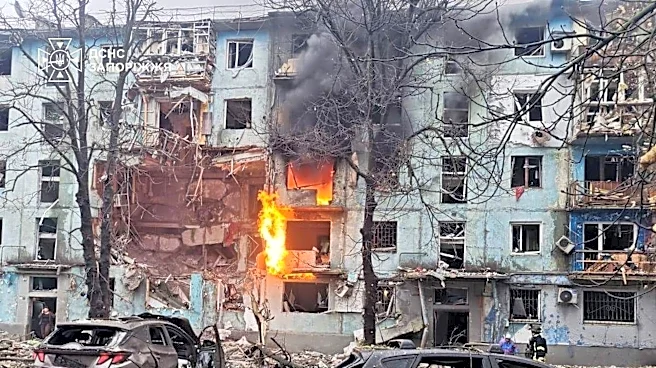
on war materiel deliveries to Russia since 2014. The ammunition was legally delivered by RUAG to Slovenia, an EU and NATO member state. From Slovenia, it was sold to a private arms dealer who then sold it to Kyrgyzstan, likely with Slovenian government approval. Subsequently, the ammunition made its way to Russia. This revelation comes as Switzerland prepares to vote on a parliamentary amendment to its War Materiel Act, which governs the export of weapons and ammunition from the neutral country. The case highlights the challenges in controlling the end-use of military equipment once it enters the private arms trade.
Why It's Important?
This incident underscores the complexities and potential loopholes in international arms export controls, particularly when private arms dealers are involved. Unlike governments, private dealers are not always bound by declarations pledging not to re-export military equipment. For the U.S. and its allies, this situation raises concerns about the effectiveness of sanctions and export bans aimed at restricting military supplies to adversaries. The indirect flow of Swiss munitions to Russia could potentially bolster Russia's military capabilities, impacting the ongoing conflict in Ukraine and broader geopolitical stability. It also highlights the need for more stringent oversight and accountability within the global arms trade to prevent sensitive military technology from reaching unintended destinations, potentially undermining international security efforts.
What's Next?
The Swiss population is scheduled to vote on a parliamentary amendment to the War Materiel Act at the end of November. This vote will determine whether Switzerland will ease its export rules for war materiel, including potentially scrapping non-re-export declarations in most cases. The State Secretariat for Economic Affairs (SECO) is currently clarifying the specific case of the Moscow munitions register. Since March 2024, SECO has required private foreign arms dealers trading in handguns, pistols, and ammunition to submit a written declaration explaining their intended sales, though this does not carry the same weight as a re-export prohibition. The outcome of the Swiss vote and any subsequent policy changes will significantly influence the future of Swiss arms exports and their potential impact on international conflicts.
Beyond the Headlines
The case of Swiss munitions reaching Russia through a circuitous route raises profound ethical and legal questions regarding the responsibility of neutral nations and the global arms trade. While Switzerland maintains a policy of neutrality, the indirect supply of its military equipment to a conflict zone challenges the spirit of that neutrality. The incident also exposes the limitations of national export controls in a globalized market where private actors can exploit legal ambiguities and complex supply chains. This could lead to increased scrutiny of private arms dealers and calls for more robust international regulations to prevent such circumvention. The long-term implications could include a re-evaluation of how countries manage their defense industries and the potential for unintended consequences when military equipment falls into the wrong hands, impacting global security and humanitarian concerns.