




What's Happening?
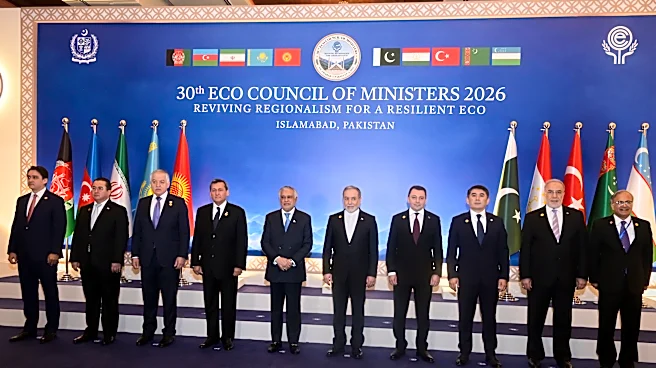
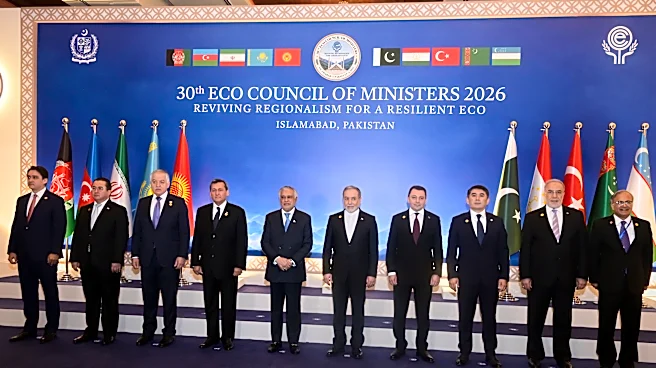
Deputy Prime Minister and Foreign Minister Ishaq Dar of Pakistan discussed the Turkmenistan-Afghanistan-Pakistan-India (TAPI) gas pipeline project with Turkmenistan’s Foreign Minister Rashid Meredov during the sixth session of the Pakistan-Turkmenistan
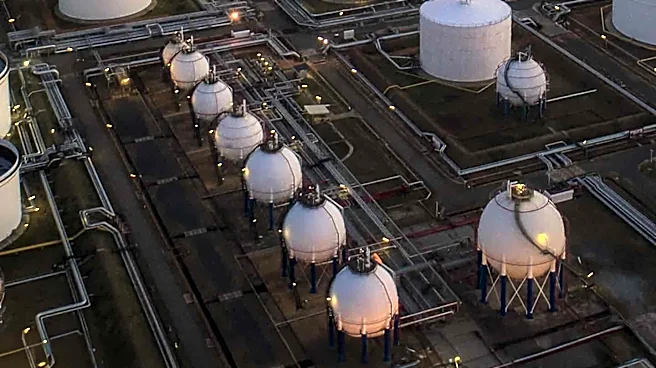
Joint Intergovernmental Commission (JIC) in Islamabad. The two sides agreed to convene a meeting of the steering committee for the TAPI project, recognizing the importance of political engagement among participating countries on its technical and commercial aspects. The 1,800km pipeline is designed to transport 33 billion cubic meters of natural gas annually from Turkmenistan’s Galkynysh field to Fazilka, India, passing through Herat and Kandahar in Afghanistan, and Quetta and Multan in Pakistan. The project, estimated to cost $5-6 billion for its free flow phase and an additional $1.9 billion for compressor stations, has faced repeated delays due to security concerns. Discussions also covered broader cooperation in agriculture, industry, tourism, culture, higher education, information technology, health, and financial services, as well as prospects for railway connections through Afghanistan and interaction between Chabahar and Gwadar seaports.
Why It's Important?
The renewed focus on the TAPI project is significant for regional energy security and economic integration, particularly for Pakistan and India, which seek to diversify their energy sources. The pipeline's completion would provide a stable supply of natural gas, potentially reducing reliance on more volatile energy markets and contributing to economic growth in the participating countries. For Afghanistan, the project offers transit fees and potential job creation, which could contribute to its economic stability, despite ongoing security challenges. The agreement to convene a steering committee indicates a renewed political will to overcome past obstacles, including security issues and financing. Broader discussions on trade, investment, and connectivity highlight a strategic effort to enhance regional cooperation and develop alternative trade routes, which could have long-term geopolitical implications.
What's Next?
The immediate next step is the convening of the steering committee for the TAPI project, which will focus on addressing the technical and commercial aspects, as well as the persistent security challenges. This meeting will be crucial for determining the project's viability and timeline. Further diplomatic engagements between Pakistan, Turkmenistan, Afghanistan, and India will be necessary to secure commitments and resolve any outstanding issues. The proposed Turkmenistan-Afghanistan-Pakistan electricity transmission project and associated fiber optic communications link will also undergo further assessment. Turkmenistan's planned state visit to Islamabad next year suggests a continued push for strengthening bilateral ties and advancing regional connectivity initiatives. The success of these efforts will depend on sustained political will and effective mitigation of security risks in Afghanistan.
Beyond the Headlines
The TAPI project's revival extends beyond mere energy infrastructure; it represents a complex interplay of regional geopolitics, economic development, and security concerns. The pipeline's route through Afghanistan underscores the critical role of stability in that country for broader regional projects. The project's success could significantly alter energy dynamics in South Asia, fostering greater interdependence but also potentially creating new points of contention. The discussions on railway connections and seaport interactions suggest a broader vision for a connected Central and South Asia, which could challenge existing trade routes and influence regional power balances. However, the historical delays due to security issues serve as a stark reminder of the fragility of such ambitious projects in politically unstable regions, highlighting the need for robust security guarantees and sustained international cooperation.