


What's Happening?
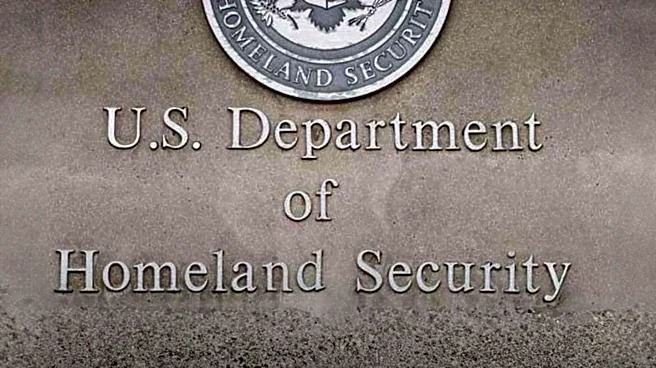
The U.S. Department of Homeland Security (DHS) is revising its Directive 023, which outlines the procedures for implementing the National Environmental Policy Act (NEPA). This update is prompted by the recent rescission of the Council on Environmental Quality’s
NEPA implementing regulations, which the DHS procedures were designed to complement. Additionally, the updated directive incorporates provisions from several key legislative acts: the Fixing America’s Surface Transportation Act, the Infrastructure Investment and Jobs Act, and the Fiscal Responsibility Act of 2023. These legislative changes are all related to the environmental review process. The goal of the updated Directive is to foster collaboration and improve efficiency in NEPA implementation, while also modernizing the processes for environmental review. This revision aims to enable DHS to conduct environmental reviews that are coordinated, consistent, predictable, and timely, thereby reducing unnecessary burdens and delays. The Draft NEPA Directive and Draft Record of Substantiation of Revised NEPA Categorical Exclusions are available for public review and comment for 30 days, starting November 18, 2026, with comments due by December 18, 2026.
Why It's Important?
This update to DHS’s NEPA implementation procedures is significant for several reasons. By streamlining and modernizing environmental review processes, DHS aims to reduce administrative burdens and delays that can impact infrastructure projects and other departmental activities. This could lead to more efficient project approvals and implementation, potentially accelerating critical national security and infrastructure initiatives. The incorporation of recent legislative acts ensures that DHS’s environmental policies align with current federal law, promoting legal consistency and reducing potential for legal challenges. For stakeholders, including environmental groups, industry, and local communities, the public comment period offers an opportunity to influence how environmental considerations are integrated into DHS operations. The emphasis on coordinated, consistent, and predictable reviews could also provide greater clarity and certainty for entities working with DHS on projects requiring environmental assessments, potentially fostering better planning and resource allocation.
What's Next?
The public comment period for the Draft NEPA Directive and Draft Record of Substantiation of Revised NEPA Categorical Exclusions will conclude on December 18, 2026. During this period, interested parties can submit feedback, which DHS will consider in developing the final NEPA Directive and Record of Substantiation. Following the review of public comments, DHS will finalize and officially release the updated Directive. This final version will then guide all future environmental reviews conducted by the department, impacting a wide range of projects from border security infrastructure to emergency response initiatives. Stakeholders will need to familiarize themselves with the revised procedures to ensure compliance and to understand the new framework for environmental assessments related to DHS activities. The implementation of the new directive is expected to lead to a more standardized and efficient approach to environmental compliance within DHS.
Beyond the Headlines
The revision of DHS’s NEPA directive reflects a broader trend in federal agencies to adapt environmental review processes to evolving legal frameworks and efficiency demands. This move highlights the ongoing tension between environmental protection and the need for timely project execution, particularly in areas deemed critical for national security and infrastructure. The modernization of these procedures could set a precedent for other federal agencies grappling with similar challenges, potentially influencing how environmental regulations are interpreted and applied across the government. Furthermore, the emphasis on reducing 'unnecessary burdens and delays' while maintaining environmental standards underscores a policy objective to balance regulatory oversight with practical implementation. This could lead to a re-evaluation of what constitutes an 'efficient' environmental review, potentially shifting the paradigm for how large-scale federal projects are assessed for their environmental impact.