
What's Happening?
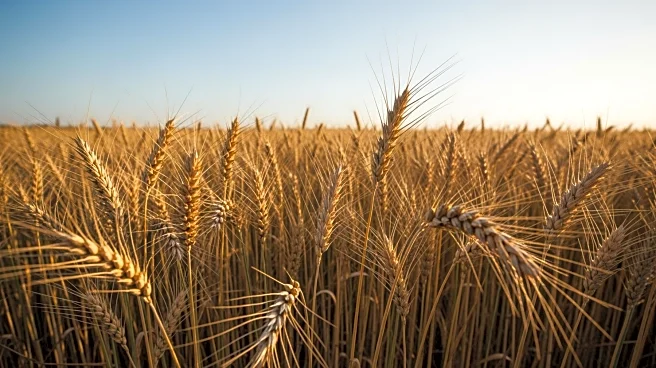
The U.S. agriculture market is experiencing challenges due to record-high crop yields, particularly in corn and wheat, as reported by Texas A&M AgriLife Extension Grain Marketing Economist Mark Welch.
The 2025 growing season saw a significant increase in corn acreage, leading to unprecedented yields. This abundance, coupled with global record supplies, has resulted in a saturated market. Exports play a crucial role in the U.S. agriculture industry, with significant portions of soybeans, grain sorghum, and corn being exported. However, global competition and trade disruptions are impacting market dynamics, leading to potential downward pressure on prices.
Why It's Important?
The current situation highlights the volatility and complexity of the agriculture market, where producers do not control prices. The abundance of crops can lead to lower prices, affecting farmers' profitability. Additionally, trade disruptions and global competition can further complicate market conditions. This scenario underscores the need for strategic planning and diversification in the agriculture sector to mitigate risks associated with fluctuating market conditions. The economic implications are significant, as agriculture is a major contributor to the U.S. economy, and any downturn can have widespread effects on related industries and rural communities.
What's Next?
Farmers and industry stakeholders must navigate the challenges posed by high yields and market saturation. Strategies may include exploring new markets, enhancing value-added products, and advocating for favorable trade policies. Monitoring global events and market trends will be crucial for adapting to changing conditions. Additionally, potential political developments or environmental factors, such as droughts, could alter market dynamics, necessitating a flexible and proactive approach to agricultural production and marketing.