



What's Happening?
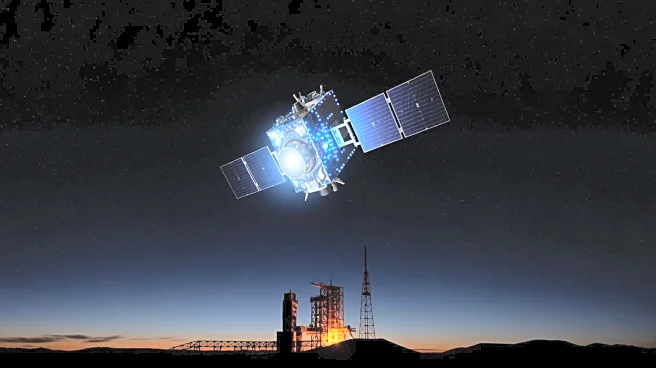
SpaceX launched a Falcon 9 rocket from Cape Canaveral Space Force Station, deploying 29 Starlink internet satellites into low-Earth orbit. The launch, part of the Starlink 6-100 mission, faced weather challenges due to a cold front affecting Florida's
Space Coast. Despite initial concerns, weather conditions improved, allowing the launch to proceed. The Falcon 9's first-stage booster successfully landed on the drone ship 'A Shortfall of Gravitas' in the Atlantic Ocean, marking its 24th flight. This mission contributes to SpaceX's growing constellation of internet satellites.
Why It's Important?
This launch is significant for SpaceX's efforts to expand global internet coverage through its Starlink satellite network. The successful deployment of additional satellites enhances the network's capacity and reliability, potentially improving internet access in underserved areas. For the U.S., this development supports technological advancement and competitiveness in the space industry. The mission also demonstrates SpaceX's capability to conduct frequent and reliable launches, reinforcing its position as a leader in commercial spaceflight.
What's Next?
SpaceX plans to continue its aggressive launch schedule, with more Starlink missions expected in the coming months. The company aims to increase the total number of satellites in orbit, enhancing global internet service. Regulatory bodies may monitor the growing satellite network for potential impacts on space traffic and orbital debris. As SpaceX expands its services, competition in the satellite internet market could intensify, prompting other companies to accelerate their own satellite deployment plans.