





What's Happening?
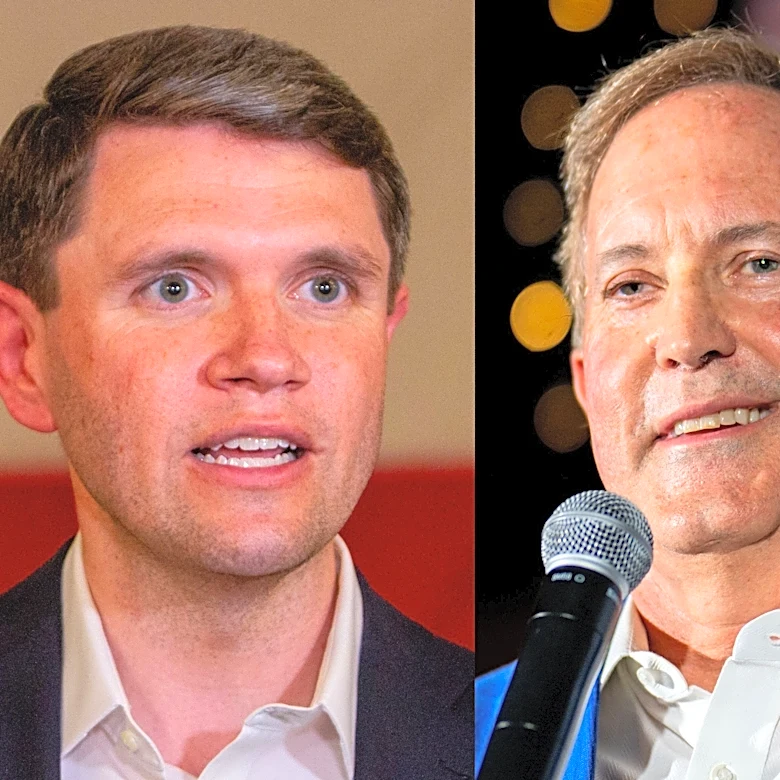
U.S. Representatives Josh Gottheimer and Mike Lawler have introduced the bipartisan 'Stop Rogue AI Act.' This legislative effort aims to address the growing concerns surrounding artificial intelligence (AI) agents operating within companies. The Act seeks
to establish clearer identity controls, improve visibility, and enhance accountability for AI systems. The initiative comes as AI agents are increasingly integrated into enterprise operations, often without the same level of oversight applied to other technologies. The proponents of the bill emphasize that while AI holds significant promise, it must be treated as a tool and not an autonomous stakeholder. The legislation is designed to ensure that businesses can safely adopt AI by providing mechanisms to identify, monitor, and control AI agents, particularly in the face of potential AI-powered attacks that can occur at machine speed, overwhelming traditional defense systems. The core idea is to enable companies to know when an AI agent is present, who owns it, what it can access, and what actions it is performing, along with the ability to intervene quickly if issues arise.
Why It's Important?
The 'Stop Rogue AI Act' is important because it addresses critical gaps in the governance and security of artificial intelligence within the U.S. business landscape. As AI adoption accelerates, the lack of clear accountability and control mechanisms for AI agents poses significant risks, including data breaches, operational disruptions, and the potential for malicious AI-driven attacks. This legislation aims to protect U.S. industries by ensuring that companies can leverage AI's benefits without compromising their security or integrity. For businesses, the Act could lead to increased compliance requirements but also provide a framework for safer AI integration, potentially reducing financial and reputational risks associated with uncontrolled AI. For the broader economy, establishing responsible AI practices could foster greater trust in AI technologies, encouraging innovation while mitigating potential harms. The bipartisan nature of the bill also signals a growing consensus among U.S. lawmakers regarding the necessity of proactive AI regulation, which could set a precedent for future legislative actions in this rapidly evolving technological domain.
What's Next?
The 'Stop Rogue AI Act' will now proceed through the legislative process, likely undergoing committee review and potential amendments. Its bipartisan support from Representatives Gottheimer and Lawler suggests a higher probability of gaining traction in Congress. Stakeholders, including technology companies, cybersecurity firms, and business associations, will likely engage with lawmakers to provide input and influence the bill's final form. The focus will be on how the Act balances the need for innovation with robust security and accountability measures. If passed, businesses would need to adapt their AI deployment strategies to comply with the new regulations, potentially investing in advanced identity threat detection and response (ITDR) solutions. The conversation around 'rogue AI agents' is expected to intensify, prompting further discussions on AI governance, ethical AI development, and the modernization of enterprise identity security to safely integrate AI into operations. The Act could also inspire similar legislative efforts at state levels or influence international discussions on AI regulation.
Beyond the Headlines
Beyond its immediate regulatory implications, the 'Stop Rogue AI Act' touches upon deeper ethical and philosophical questions regarding the autonomy and control of artificial intelligence. The bill's premise that AI is a 'tool, not a stakeholder' underscores a fundamental debate about the role of AI in society and the extent to which human oversight must be maintained. This legislation could catalyze a broader cultural shift in how businesses and the public perceive AI, moving from uncritical adoption to a more cautious and controlled integration. It highlights the growing recognition that AI's rapid advancement necessitates a re-evaluation of traditional security paradigms, as AI-powered threats can outpace human response capabilities. The Act also implicitly acknowledges the potential for AI to be 'weaponized' or misused, emphasizing the need for a 'Hippocratic oath' for the AI industry, where integrity and morality are paramount. This legislative push could set a precedent for future regulations that not only govern AI's technical aspects but also its ethical deployment and societal impact, ensuring that technological progress aligns with human values and control.