








What's Happening?
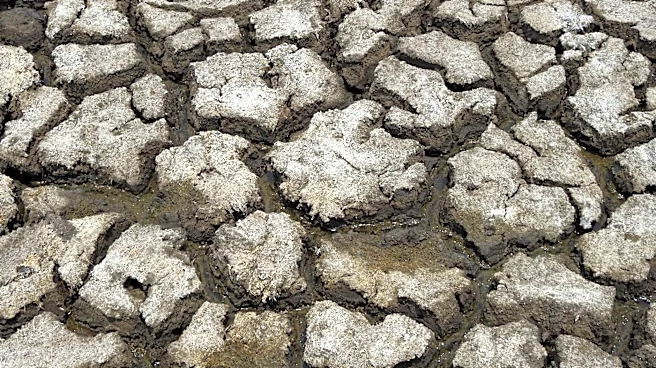
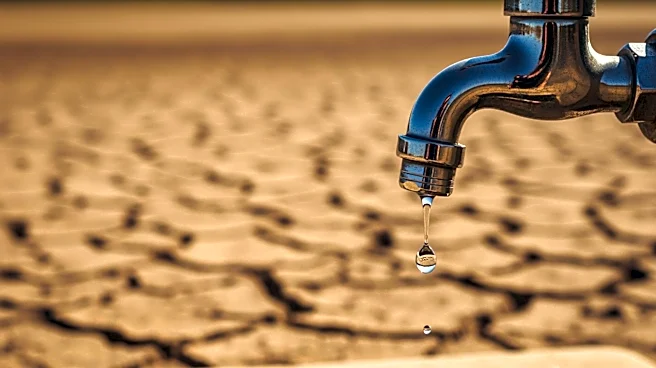
Durham City Council has enacted Stage 2 water restrictions as the region faces exceptional drought conditions, the most severe category. This decision comes as most of Durham, Orange, and Alamance counties experience significant drought, with streamflows
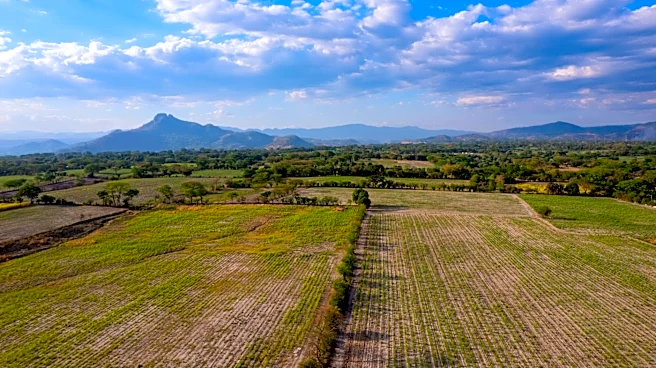
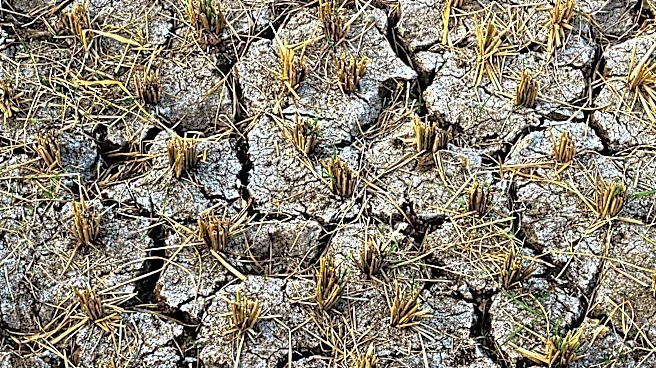
on the Neuse River reaching record lows. The National Oceanic and Atmospheric Administration's National Weather Service has noted that recent rainfall may not significantly alleviate the drought, as much of it will be absorbed by the soil, limiting runoff into rivers and reservoirs. The drought has led to increased wildfires and has severely impacted crops across the state, with many wilting or stunted due to the lack of rain. The North Carolina Drought Management Advisory Council continues to monitor the situation, using a classification system to issue advisories and recommendations.
Why It's Important?
The implementation of Stage 2 water restrictions in Durham highlights the severity of the drought and its potential impact on daily life and the local economy. Water restrictions can affect various sectors, including agriculture, which is already suffering from crop damage. The drought also poses a risk to public safety, with increased wildfires threatening communities. The restrictions aim to conserve the remaining water supply, but they also underscore the need for long-term solutions to address water scarcity. The situation could lead to increased costs for water and potential economic losses for businesses reliant on water resources. Residents may face challenges in adhering to restrictions, impacting their daily routines and quality of life.
What's Next?
As the drought persists, the North Carolina Drought Management Advisory Council will continue to assess conditions and may implement further restrictions if necessary. The council will also provide guidance on water conservation measures to help mitigate the impact of the drought. Local governments and communities may need to explore alternative water sources or invest in infrastructure improvements to enhance water resilience. Public awareness campaigns could be launched to educate residents on the importance of water conservation. The situation may prompt discussions on climate change adaptation strategies to better prepare for future droughts.