



What's Happening?
Congressman Tom Emmer (R-6th District) attended and spoke at the Republican convention in Dallas, Texas, where he delivered remarks criticizing the Democratic Party. Emmer elicited chants of "USA, USA" by stating, "the Democratic Communist Party may not
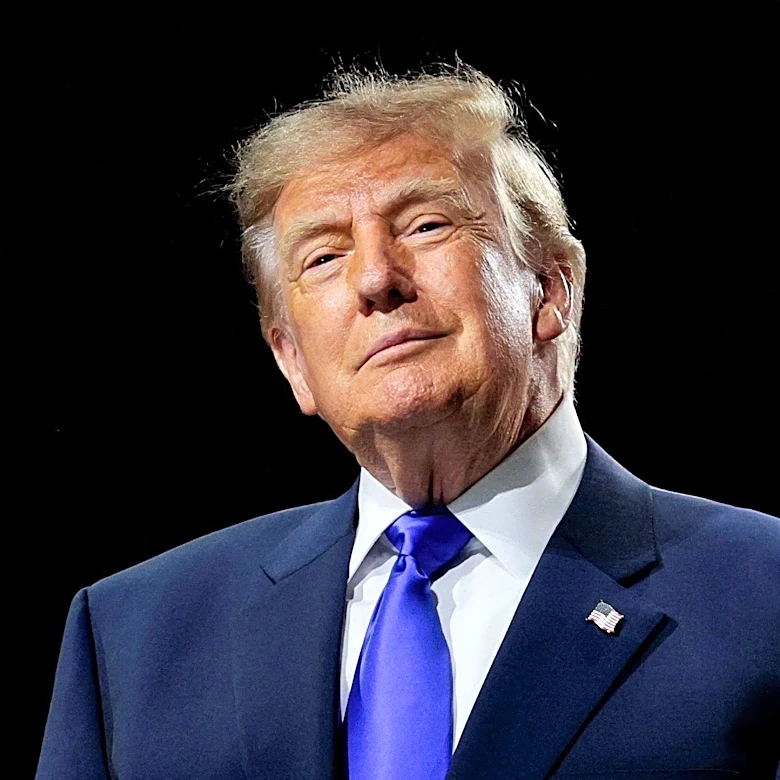
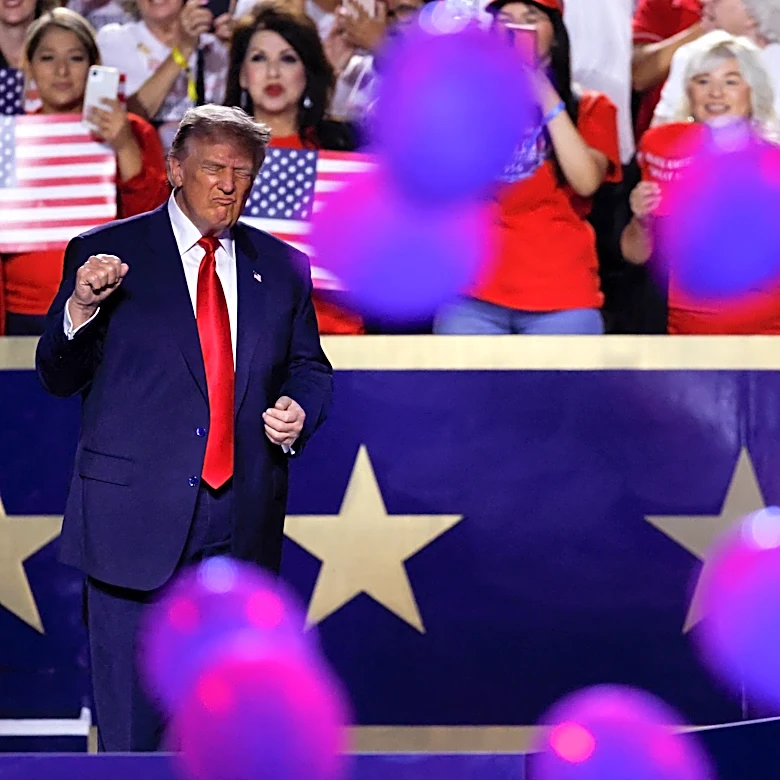
like it, but I’m proud to be an American." His comments aligned with a central theme of the convention, where speakers expressed growing Republican anxiety about the midterm elections and claimed the Democratic Party has shifted from traditional liberalism to a "dangerous anti-American ideology." Emmer, a member of the House GOP leadership, was among several prominent Republicans who participated in the event, which aimed to rally the party's base ahead of the upcoming legislative elections. The convention also featured President Trump, who pledged a $5,000 dividend to every American adult if Republicans retain control of Congress, a promise that has drawn both support and criticism.
Why It's Important?
Congressman Emmer's strong rhetoric at the Republican convention underscores the heightened political polarization and ideological battle lines being drawn ahead of the midterm elections. His characterization of the Democratic Party as "communist" and "anti-American" reflects a strategy to energize the Republican base by framing the election as an existential fight for the nation's values. This approach aims to consolidate conservative voters and draw a sharp contrast with the opposition. Such rhetoric can intensify partisan divisions, making bipartisan cooperation more challenging in Congress. For the Republican Party, the convention served as a platform to unify around a common message and mobilize support, particularly as concerns about inflation and President Trump's approval ratings persist. The emphasis on perceived radicalism within the Democratic Party is a key tactic to sway undecided voters and reinforce loyalty among the Republican electorate, highlighting the high stakes of the upcoming elections for control of both the House and Senate.
What's Next?
Following the Republican convention, the rhetoric employed by Congressman Emmer and other GOP leaders is likely to be amplified in campaign messaging leading up to the midterm elections. This will likely involve continued efforts to portray the Democratic Party as ideologically extreme, aiming to galvanize conservative voters. The Democratic Party, in turn, is expected to counter these narratives, focusing on their policy agendas and potentially criticizing what they view as divisive or inflammatory language. The promises made by President Trump, such as the $5,000 dividend, will likely be debated, with questions raised about their feasibility and legality. Both parties will intensify their campaigning efforts, with a focus on key swing districts and states. The outcome of the midterm elections will largely depend on how effectively each party can mobilize its base and persuade independent voters, with the themes established at the Dallas convention playing a significant role in shaping the political discourse.
Beyond the Headlines
The use of strong, ideologically charged language, such as labeling the Democratic Party as "communist," reflects a broader trend in contemporary U.S. politics where political discourse has become increasingly confrontational and less focused on policy nuances. This type of rhetoric can contribute to a climate of distrust and animosity between political factions, potentially hindering effective governance and societal cohesion. It also raises questions about the long-term health of democratic institutions when political opponents are framed as existential threats rather than legitimate participants in the political process. The convention's emphasis on national pride, juxtaposed with criticisms of the opposing party, taps into deep-seated cultural and national identity issues that often transcend specific policy debates. This approach can be highly effective in mobilizing a dedicated base but may alienate moderate voters seeking more conciliatory political leadership. The ongoing struggle to define what it means to be "American" and the role of different political ideologies in that definition will continue to be a central, underlying theme in U.S. political discourse.