



What's Happening?
April marks Autism Acceptance Month, highlighting the need for understanding and support for autistic individuals. In the U.S., approximately 3.2% of 8-year-olds are diagnosed with autism, with boys more frequently diagnosed than girls. Autism is part
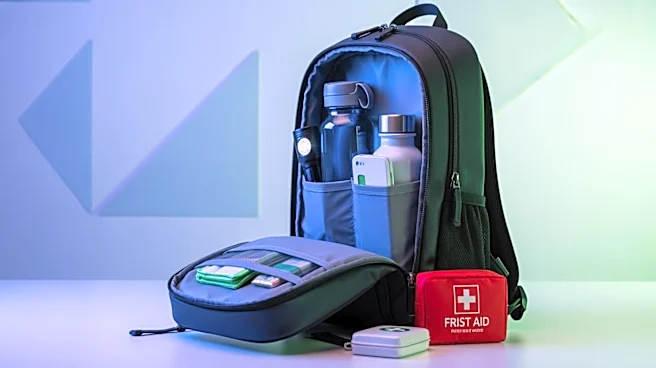
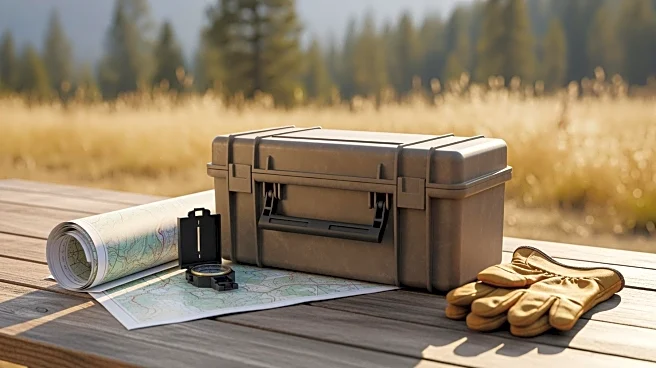
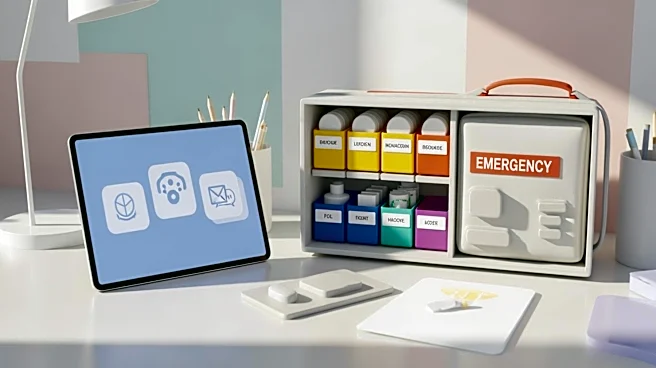
of a broader category of neurodivergent conditions, which also includes ADHD, dyslexia, and dyspraxia. These conditions mean that individuals process information differently, which can pose challenges, especially during emergencies. To address this, Betsy Germain Evans and Kathy Rodriguez have developed the ReadySet Backpack™, a specialized tool designed to help neurodivergent individuals and their families prepare for emergencies. This backpack is tailored to individual needs, providing sensory support, communication tools, and emergency response items. The initiative aims to make emergency preparedness more accessible and less overwhelming for families with neurodivergent members.
Why It's Important?
The development of the ReadySet Backpack™ is significant as it addresses a critical gap in emergency preparedness for neurodivergent individuals. Traditional emergency plans often overlook the unique needs of these individuals, potentially putting them at greater risk during crises. By providing a tailored solution, the ReadySet Backpack™ helps ensure that neurodivergent individuals can remain calm and safe during emergencies. This initiative not only supports individual families but also raises awareness about the diverse needs within communities, promoting inclusivity and safety for all. As more families adopt these specialized tools, it could lead to broader changes in how emergency preparedness is approached, potentially influencing public policy and emergency response strategies.
What's Next?
Betsy Germain Evans and Kathy Rodriguez are partnering with organizations and cities to host autism-friendly emergency preparedness workshops. These workshops aim to educate families and caregivers on how to effectively use the ReadySet Backpack™ and adapt emergency plans to meet individual needs. As these workshops gain traction, there may be increased collaboration with local governments and emergency services to integrate these tools into broader emergency response frameworks. Additionally, the success of this initiative could inspire similar projects for other marginalized groups, further enhancing community resilience and safety.