







What's Happening?
Inflation in the United States saw a significant increase in March 2026, largely driven by the ongoing conflict in Iran. The consumer price index (CPI), a key measure of inflation, rose by 3.3% compared to the previous year, up from 2.4% in February.
This spike is attributed to the Iran war, which began on February 28, 2026, and has led to disruptions in oil supply, particularly through the Strait of Hormuz. This waterway is crucial as it handles about a fifth of the world's oil supply. The conflict has caused oil prices to rise sharply, with Brent crude oil reaching $118 per barrel at the end of March, up from $70 before the conflict. The increase in oil prices has subsequently led to higher costs for gasoline, diesel, and jet fuel, affecting various sectors including transportation and e-commerce.
Why It's Important?
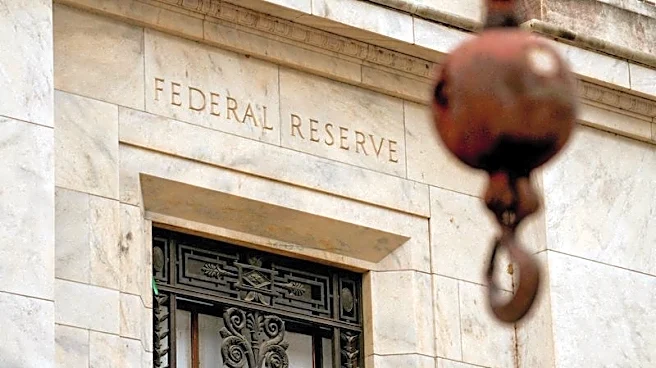
The rise in inflation due to the Iran conflict has significant implications for the U.S. economy and consumers. Higher oil prices have led to increased costs for gasoline and other refined products, which in turn have raised transportation costs. This has affected airline ticket prices, with airfares rising by 14.9% over the past year. Additionally, food prices are expected to increase due to higher transportation costs and potential disruptions in fertilizer supply, which is also exported through the Strait of Hormuz. The Federal Reserve faces challenges in setting interest rate policies, as sustained inflation could necessitate adjustments to borrowing costs. The situation underscores the interconnectedness of global events and their direct impact on domestic economic conditions.
What's Next?
The future trajectory of inflation will largely depend on the duration and resolution of the Iran conflict. A prolonged war could maintain high inflation levels and further impact consumer prices across various sectors. Conversely, if the conflict resolves and the Strait of Hormuz reopens, inflationary pressures might ease, potentially stabilizing by the end of 2026. The Federal Reserve will need to remain adaptable in its monetary policy decisions, balancing the need to control inflation with the economic impacts of the conflict. Businesses and consumers alike will have to navigate these uncertainties, adjusting to potential changes in pricing and supply chain dynamics.